
Electric forklift batteries generally last between 3 to 7 years (1,000 to 1,500+ cycles) depending on type and care. Lead-acid batteries typically last 3-5 years (~1,500 cycles), while Lithium-ion (Li-ion) batteries last 10+ years (up to 5,000+ cycles) and tolerate faster charging. Proper care, such as avoiding full discharges and regular watering, maximizes life.
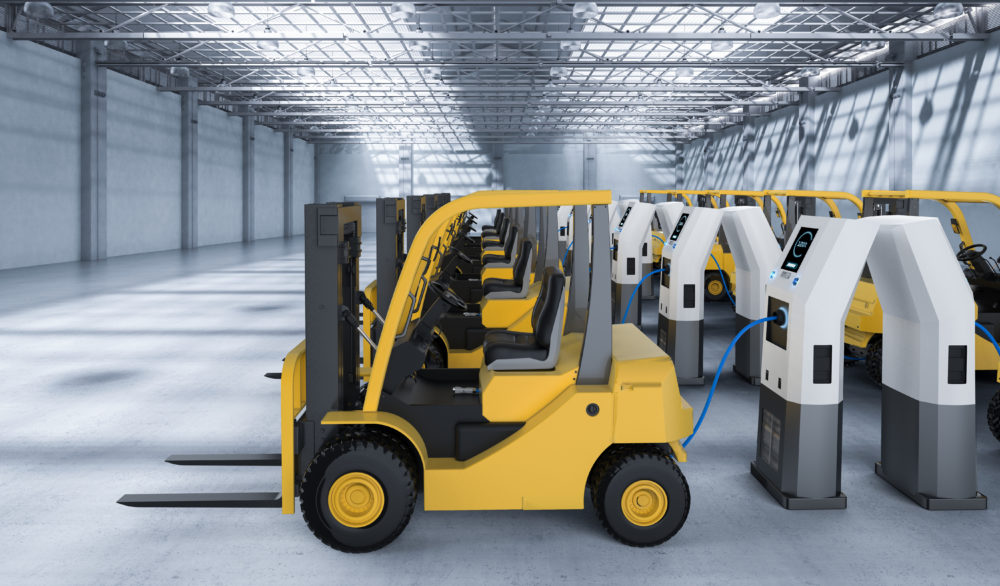
Lead-Acid vs Lithium-Ion Lifespan Comparison
Traditional lead-acid batteries remain the most common in many warehouses. With daily use and proper maintenance, they typically deliver 3–5 years or roughly 1,000–1,500 full charge cycles. Excellent care — including regular watering, equalization charging, and avoiding deep discharges — can push some packs to 6–7 years. However, heavy multi-shift operations or neglect often shorten life to 2–3 years.
Lithium-ion (LiFePO4) batteries represent a major upgrade. These packs commonly last 8–12 years or 3,000–5,000+ cycles. They tolerate deeper discharges without damage, maintain consistent voltage throughout the shift, and require virtually no maintenance. Many fleets report lithium batteries still performing at 80–85% capacity after 10 years of daily use.
Key Factors Affecting Lifespan
Battery Type
Lead-acid batteries are sensitive to temperature, charging habits, and water levels. Lithium-ion chemistry is far more forgiving and offers 3–5 times the cycle life.
Usage Frequency
Single-shift operations allow batteries to last longer. Multi-shift or heavy-duty use consumes cycles faster. Opportunity charging benefits lithium packs but can harm lead-acid if not managed correctly.
Maintenance
For lead-acid: check water levels monthly, clean terminals, and equalize regularly. Lithium-ion requires almost no maintenance beyond keeping connections tight and avoiding extreme temperatures.
Charging Habits
Avoid full discharges (keep above 20% for lead-acid). Use the correct charger for your battery type. Overcharging or undercharging shortens life dramatically. Lithium batteries charge faster and can handle partial charges without damage.
Forklift Battery Cost
Replacement costs vary significantly:
- Lead-acid (standard 48V pack): $1,200 – $2,500
- Premium AGM lead-acid: $2,000 – $3,500
- Lithium-ion 48V 100–120Ah: $2,800 – $4,500
- High-capacity lithium 150Ah+: $4,500 – $7,000+
Although lithium costs more upfront, the total cost of ownership over 10 years is often lower due to longer life, zero maintenance labor, and faster charging. Many fleets recover the extra investment within 2–4 years through reduced downtime and service costs.
Conclusion
Electric forklift batteries typically last 3–7 years for lead-acid and 8–12+ years for lithium-ion. Proper maintenance, correct charging habits, and realistic usage patterns are the biggest controllable factors. While lead-acid remains a budget-friendly option, lithium-ion batteries deliver superior longevity, performance, and lower long-term costs. Understanding these differences helps fleet managers make informed decisions that maximize uptime and minimize expenses.
 English
  French
  Spanish
  Vietnamese
  Thai
Thai  Italian
  Arabic
  Malay
Malay  Portuguese
  German
  Russian
  Japanese
  Korean
  Lao
Lao  Indonesian
  Turkish
  Irish
Irish  Uzbek
Uzbek