
Electric forklifts are generally an excellent choice, offering lower long-term operating costs, reduced maintenance, and zero emissions, making them ideal for indoor warehouse environments. They are quiet, compact, and offer superior maneuverability. While initial purchase costs are often higher, they provide better ROI through fuel savings and a longer lifespan.
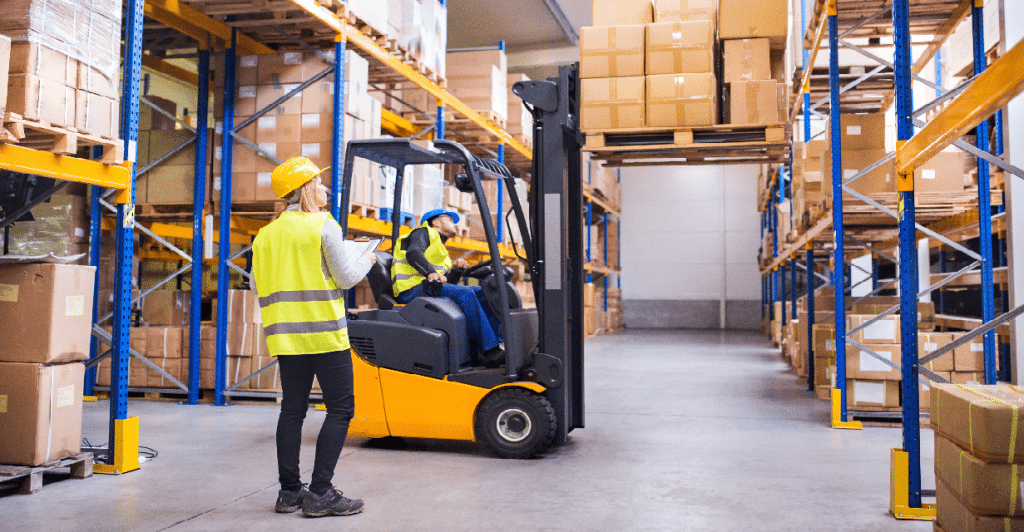
Key Benefits of Electric Forklifts
Electric forklifts have become the preferred choice for many modern warehouses and distribution centers. Their advantages go far beyond zero emissions:
Lower Operating Costs
Electricity is significantly cheaper than propane or diesel. A typical electric forklift costs $1–$2 per hour to operate versus $4–$8 for internal combustion models. Over 5–7 years, the savings on fuel alone often exceed the higher upfront purchase price. Maintenance is also simpler and less expensive — no oil changes, spark plugs, or fuel filters are required.
Indoor & Outdoor Capability
Modern electric forklifts excel indoors with zero emissions and quiet operation. Many models now feature IP-rated enclosures and optional pneumatic tires, making them suitable for light outdoor use as well. They perform exceptionally well in cold storage and food-grade facilities where clean air is mandatory.
Environmentally Friendly
Electric forklifts produce no exhaust fumes, reducing indoor air quality concerns and helping companies meet sustainability goals. When paired with renewable energy sources for charging, they offer near-zero carbon operation.
Increased Productivity & Safety
Electric forklifts provide instant torque, smoother acceleration, and precise control. They are quieter, reducing operator fatigue and improving communication on the floor. Advanced features like automatic speed reduction in turns and load-sensing hydraulics further enhance safety and efficiency.
When to Choose Electric Forklifts
Electric forklifts are the best choice in these scenarios:
- Indoor or climate-controlled warehouses
- Single-shift or moderate multi-shift operations
- Facilities with strict air-quality or noise regulations
- Operations prioritizing long-term cost savings and sustainability
- Applications requiring precise control and smooth operation
When to Avoid Electric Forklifts
Electric models may not be ideal for:
- Heavy outdoor use on rough terrain
- Continuous 24/7 multi-shift operations without spare batteries
- Extremely cold environments without battery heaters
- Applications requiring very high torque for extended periods
Are Electric Forklifts Worth It?
Yes — for most warehouse and indoor applications, electric forklifts deliver excellent return on investment. Although the initial purchase price is higher, lower operating costs, reduced maintenance, and longer lifespan typically result in payback within 2–4 years. When you factor in productivity gains, regulatory compliance, and environmental benefits, electric forklifts are often the smartest long-term choice.
What Is the Average Lifespan of an Electric Forklift?
A well-maintained electric forklift typically lasts 10–15 years or 15,000–25,000 operating hours. The battery is usually the first component to need replacement (after 5–8 years for lithium-ion or 3–5 years for lead-acid), but the truck frame, mast, and drive components often continue working reliably for many more years. Lithium-ion models frequently reach the higher end of the lifespan range due to fewer moving parts and less stress on the system.
Conclusion
Electric forklifts are an outstanding choice for the majority of modern material-handling operations. They offer lower operating costs, zero emissions, quiet performance, and superior maneuverability while delivering strong long-term ROI. Although they require careful consideration of duty cycle and charging infrastructure, their advantages make them the preferred solution for indoor warehouses and many light outdoor applications. As battery technology continues to improve and electricity prices remain favorable, electric forklifts are becoming even more attractive in 2026.
 English
  French
  Spanish
  Vietnamese
  Thai
Thai  Italian
  Arabic
  Malay
Malay  Portuguese
  German
  Russian
  Japanese
  Korean
  Lao
Lao  Indonesian
  Turkish
  Irish
Irish  Uzbek
Uzbek