
Electric pallet jack batteries typically last between 3–5 years for lead-acid and 5–10 years for lithium-ion, depending on usage, maintenance, and environment. Lead-acid batteries generally provide 500–1,000 charge cycles, while lithium-ion batteries can offer 2,000–3,000 or more. Proper maintenance, such as avoiding extreme temperatures and not overcharging, maximizes lifespan.
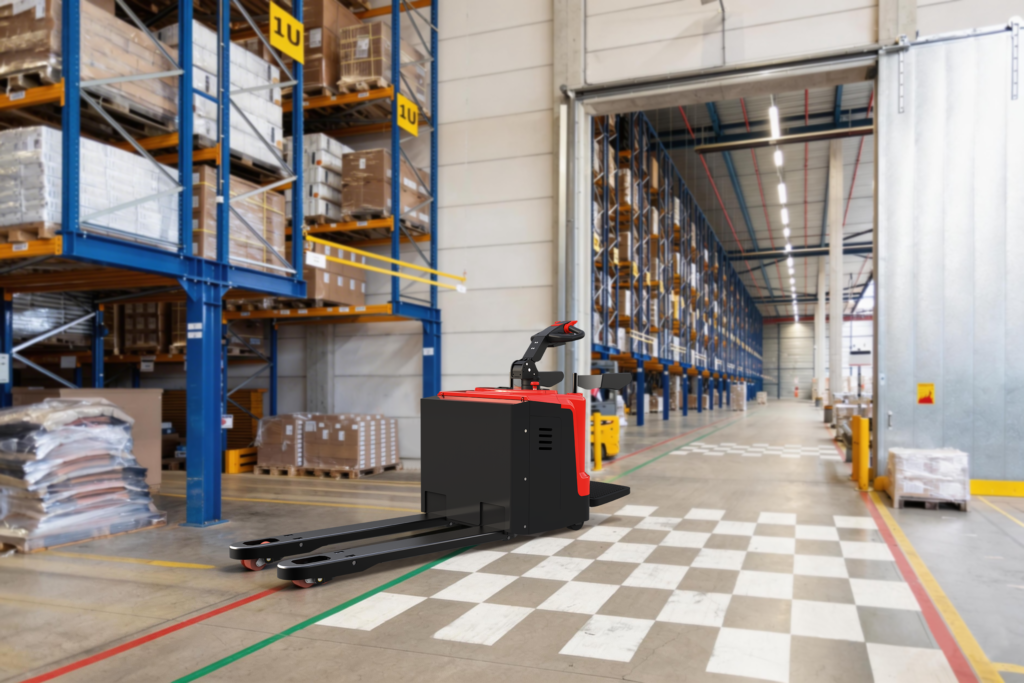
Electric Pallet Jack Battery Lifespan Overview
Electric pallet jack batteries are the heart of any powered material handling operation. Their lifespan directly affects productivity, maintenance costs, and downtime. Lead-acid batteries remain common due to lower upfront cost, while lithium-ion (LiFePO4) batteries are rapidly gaining popularity for their longer service life and reduced maintenance. Understanding real-world longevity helps fleet managers and warehouse operators make informed purchasing decisions.
How Long Do Electric Pallet Jack Batteries Last?
Lead-acid batteries in electric pallet jacks typically last 3 to 5 years under normal single-shift warehouse use, delivering roughly 500 to 1,000 full charge cycles. With excellent maintenance and light duty, some can reach 6–7 years. Lithium-ion batteries, however, commonly last 5 to 10 years or more, often providing 2,000 to 3,000+ cycles. Many lithium packs still deliver 80% capacity after 8 years of daily use, making them a superior long-term investment despite higher initial cost.
Key Factors Affecting Lifespan
Battery Type
Lead-acid batteries require regular watering, equalization, and are sensitive to deep discharges. Lithium-ion batteries are virtually maintenance-free, tolerate deeper discharges, and maintain consistent voltage throughout the shift.
Usage Frequency
Single-shift operations (6–8 hours/day) allow batteries to last at the upper end of their range. Multi-shift or 24/7 use accelerates wear, often cutting lifespan by 30–50%. Opportunity charging during breaks benefits lithium-ion packs significantly but can harm lead-acid batteries if not managed properly.
Maintenance
Proper maintenance is the biggest controllable factor. For lead-acid: check water levels monthly, clean terminals, and perform equalization every 5–10 cycles. For lithium-ion: simply use the correct charger and avoid storing at 0% or 100% for long periods.
Temperature
Extreme heat above 95°F (35°C) or cold below 32°F (0°C) dramatically shortens battery life. Ideal operating temperature is 60–80°F (15–27°C). Lithium-ion batteries handle temperature swings better than lead-acid but still perform best in controlled environments.
How to Check Pallet Jack Battery Health
Regular battery checks help catch problems early and extend service life:
- Voltage Test: After a full charge, each 12V battery should read 12.6–12.8V. Readings below 12.4V indicate a weak cell.
- Load Test: Use a handheld load tester or monitor voltage drop while operating the pallet jack under load. Rapid voltage drop signals failing batteries.
- Specific Gravity (Lead-Acid Only): Use a hydrometer to check electrolyte density. All cells should be within 0.030 of each other.
- Runtime Test: Track how long the pallet jack runs on a full charge. A sudden decrease in runtime is a clear warning sign.
- Visual Inspection: Look for swelling, leaks, corrosion, or excessive heat during charging.
Maintenance Tips to Maximize Battery Life
Follow these best practices to get the most years from your electric pallet jack batteries:
- Charge after every shift — never let lead-acid batteries sit discharged
- Use the correct charger matched to battery chemistry
- Store batteries in a cool, dry location between 50–80°F
- For lithium-ion packs, avoid charging below 32°F without a heater
- Keep terminals clean and connections tight
- Perform monthly visual inspections and annual professional load tests
Conclusion
Electric pallet jack batteries typically last 3–5 years for lead-acid and 5–10 years for lithium-ion, with actual lifespan heavily influenced by daily usage, maintenance routines, and operating environment. Lithium-ion batteries offer significantly longer service, lower maintenance, and better performance, making them the preferred choice for modern warehouses. Regular voltage checks, proper charging habits, and temperature control are essential for maximizing battery life and minimizing downtime. When it’s time to replace aging batteries, investing in high-quality lithium-ion packs delivers the best long-term value and reliability.
 English
  French
  Spanish
  Vietnamese
  Thai
Thai  Italian
  Arabic
  Malay
Malay  Portuguese
  German
  Russian
  Japanese
  Korean
  Lao
Lao  Indonesian
  Turkish
  Irish
Irish  Uzbek
Uzbek