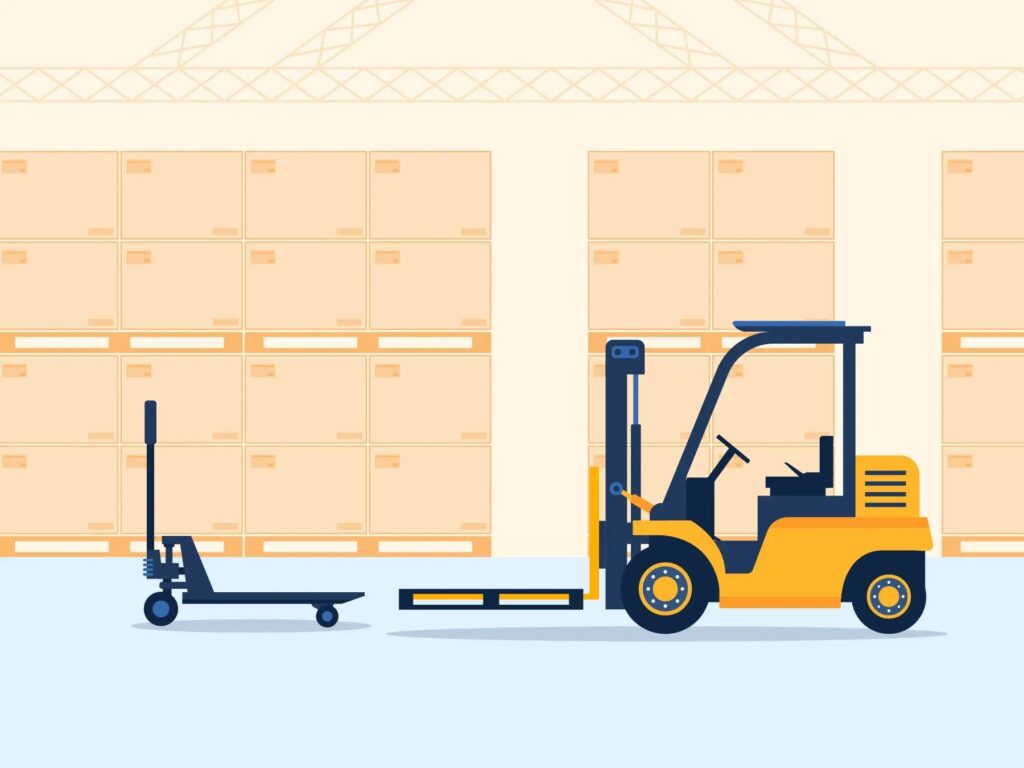
Is a Pallet Jack Considered a Powered Industrial Truck?
Yes, motorized (electric or engine-powered) pallet jacks are considered powered industrial trucks (PITs) by OSHA and require operator training and certification.

Yes, motorized (electric or engine-powered) pallet jacks are considered powered industrial trucks (PITs) by OSHA and require operator training and certification.
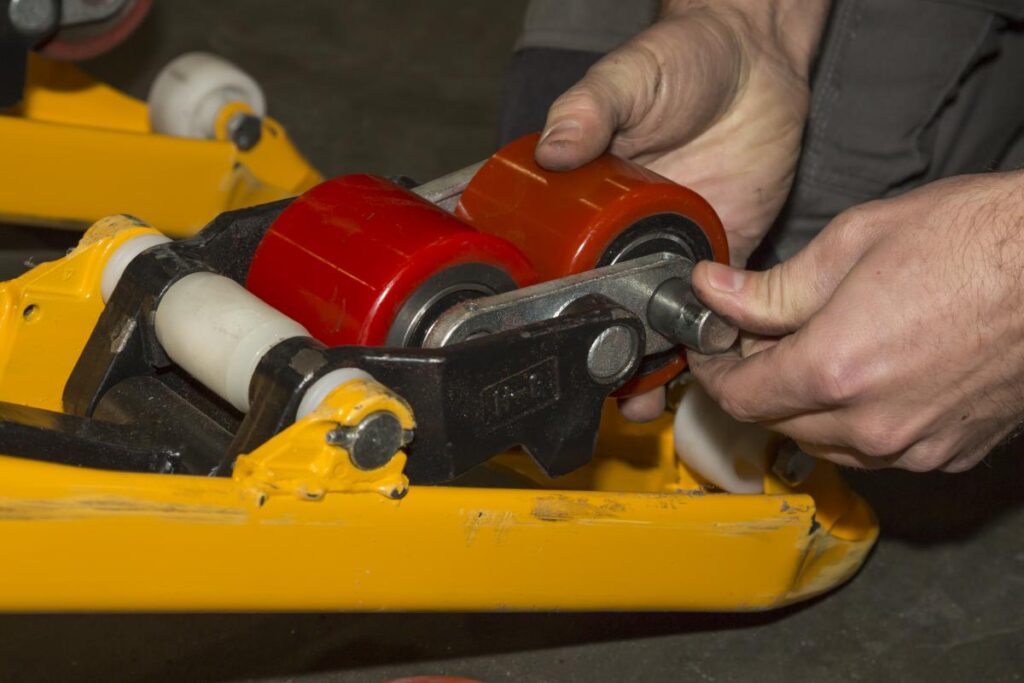
Replacing load wheels on a pallet jack involves flipping the unit (or propping it up), driving out the locking pins with a punch, removing the axle, and replacing the wheels and bearings.
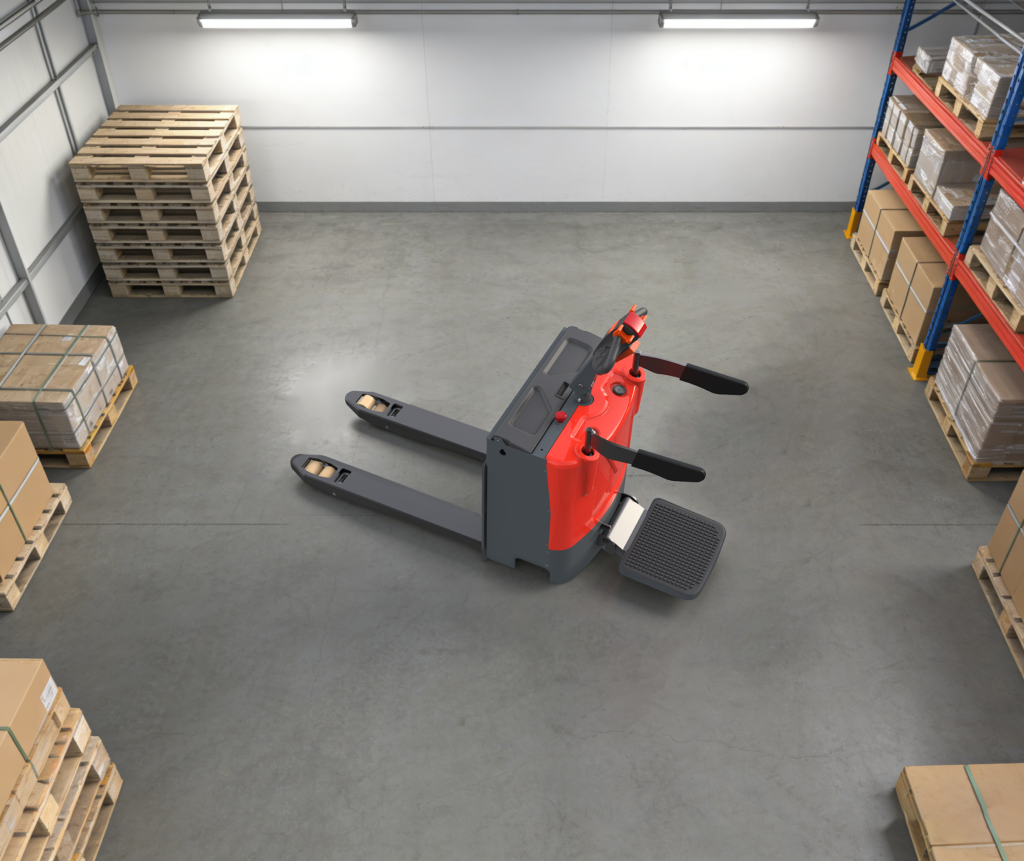
To move a dead electric pallet jack, manually pull it while it is in neutral or bypass mode, or use a forklift to carefully lift and tow it to a charging area.
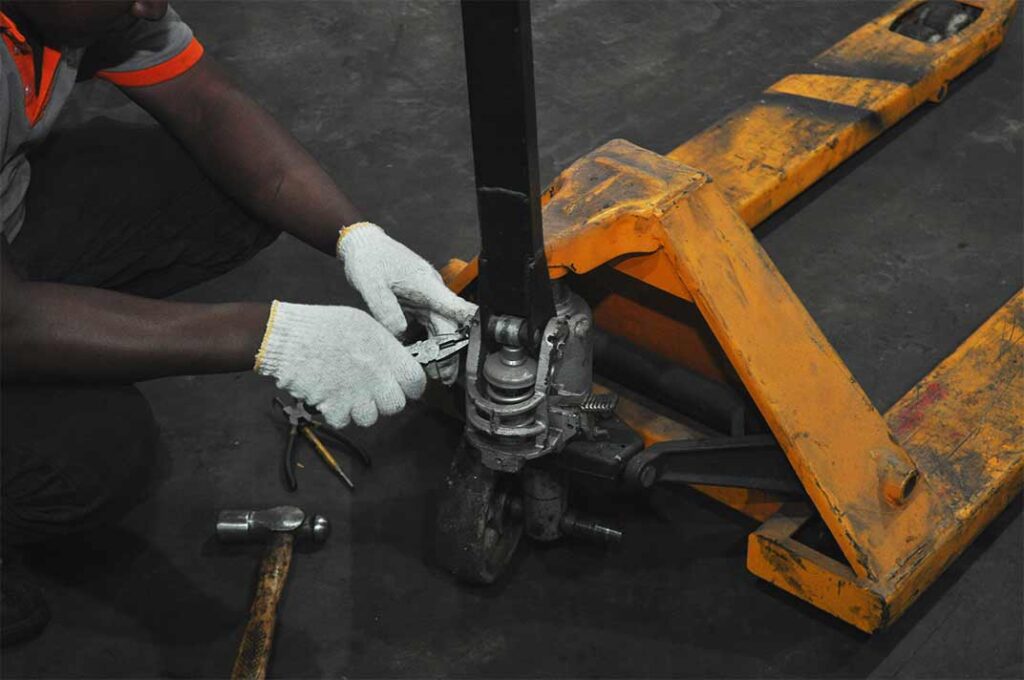
To fix a pallet jack that won’t lift, first bleed the hydraulic system by pumping the handle 15–20 times with the release lever held down to remove trapped air.
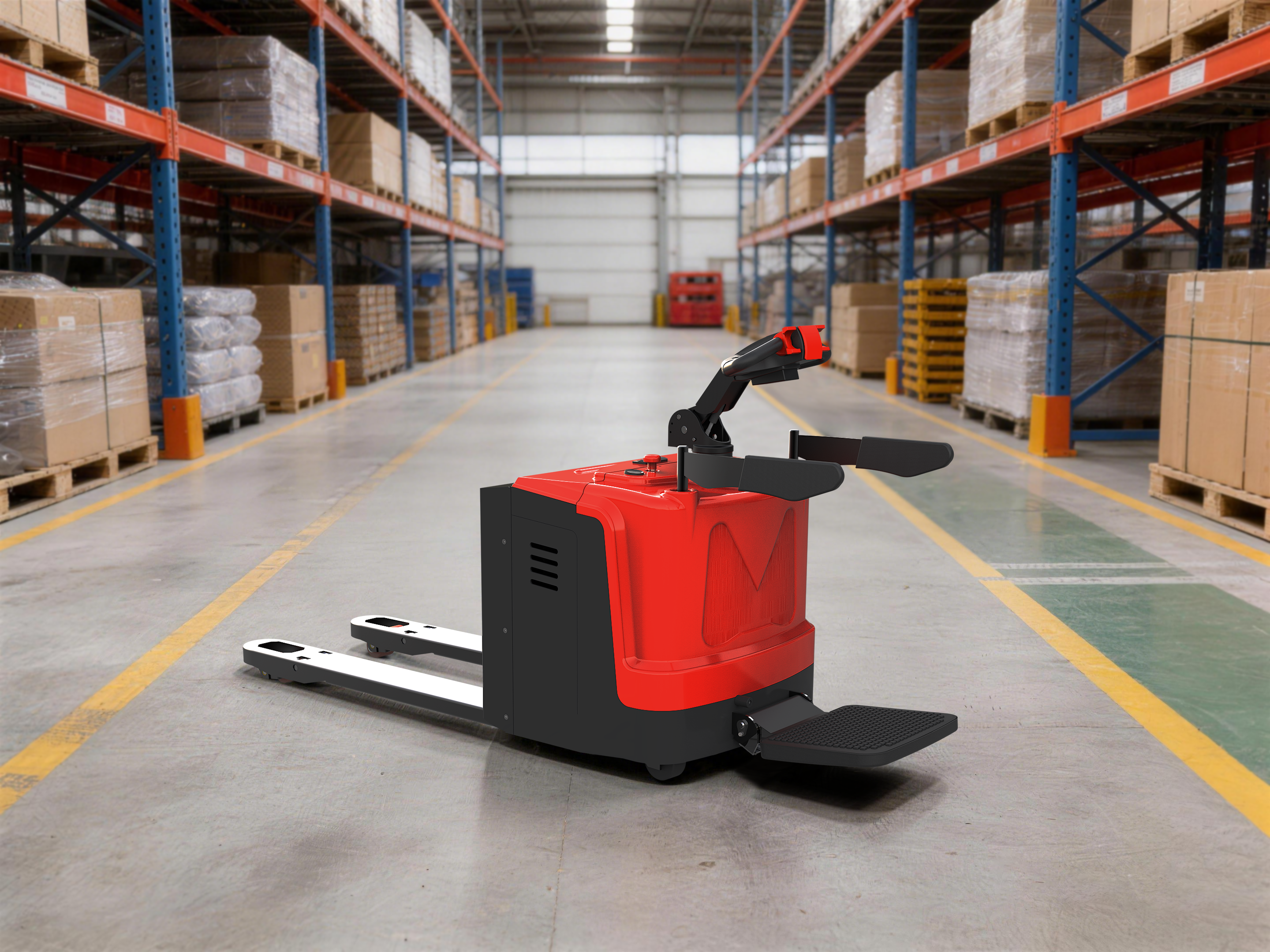
Move an electric pallet jack by walking beside the handle while pulling the load, keeping the load behind you for better visibility and steering control.
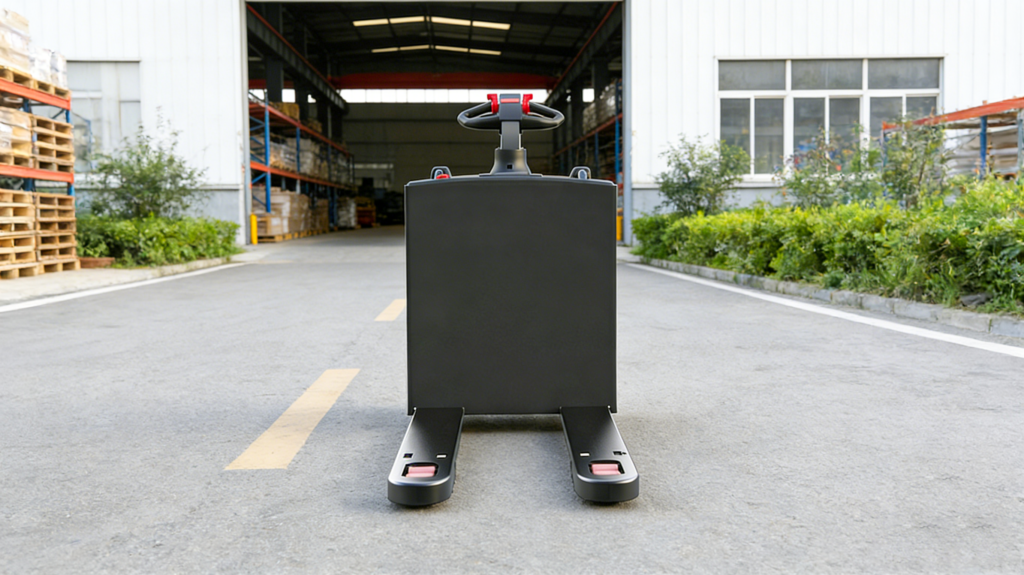
Standard pallet jacks typically lift between 3,000 and 5,500 lbs, with 4,400 to 5,500 lbs being the most common capacity for warehouse models.
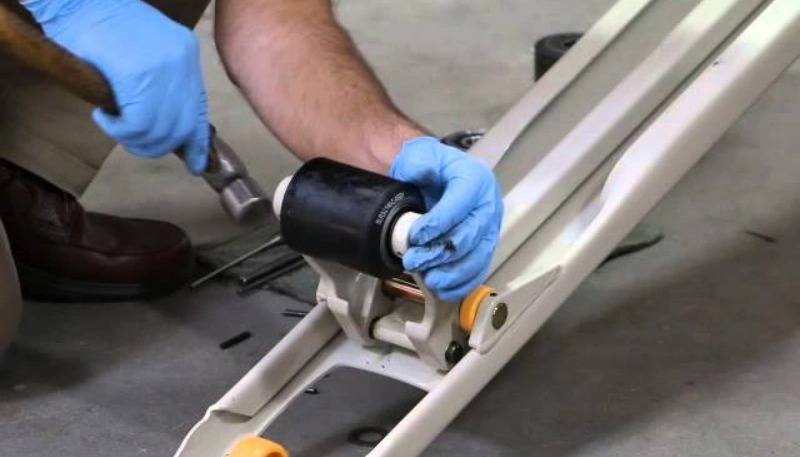
Repairing a pallet jack usually involves bleeding air from the hydraulic system, refilling hydraulic oil, replacing seals, or fixing the lowering mechanism.
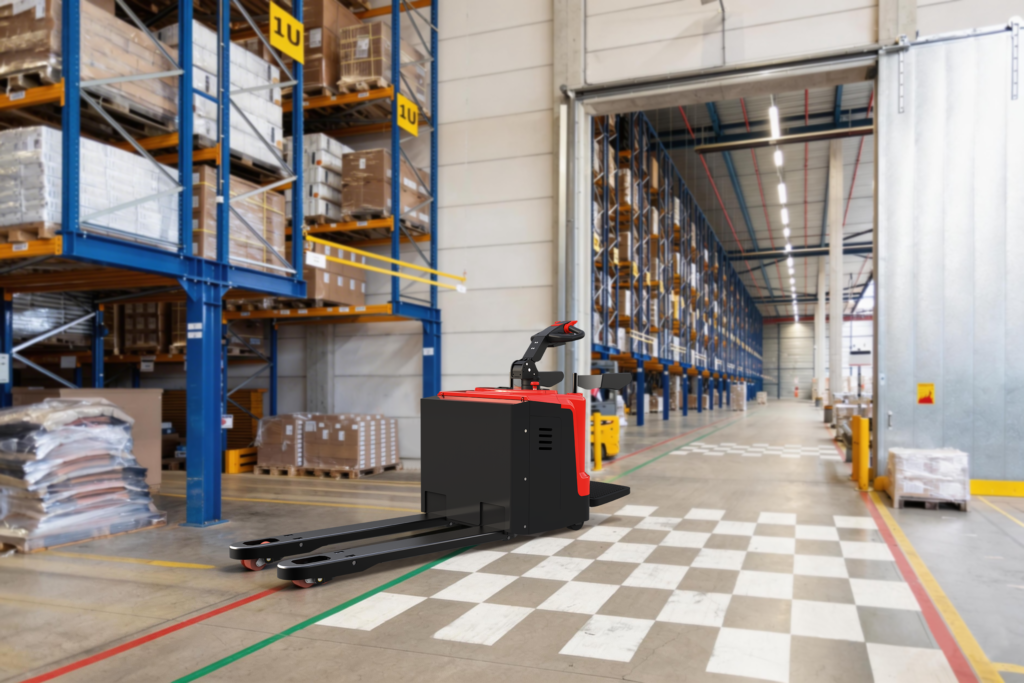
Electric pallet jack batteries typically last between 3–5 years for lead-acid and 5–10 years for lithium-ion, depending on usage, maintenance, and environment.
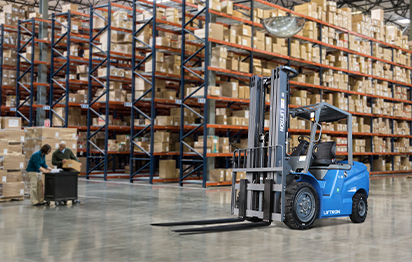
Learn how Liftron electric forklifts support sustainable warehousing with zero emissions, lower costs, and advanced lithium battery technology.
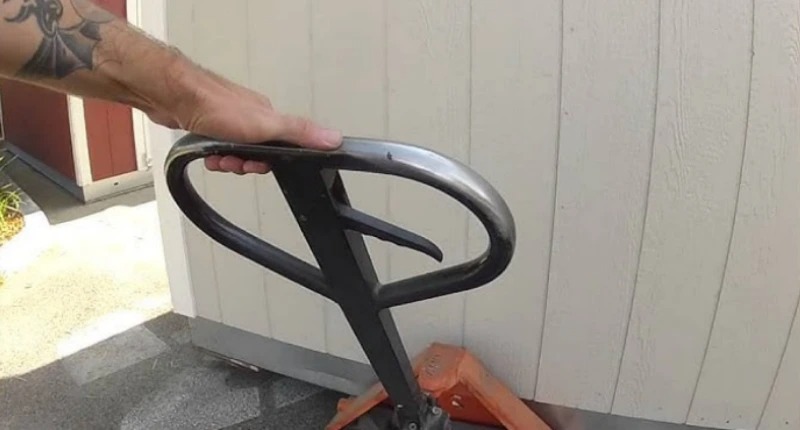
You can move a small to medium-sized shed with a pallet jack, provided the shed has built-in skids/runners, is empty, and you are moving it across smooth, level ground (like concrete or gravel).
 English English
  French
 Spanish
 Vietnamese
 Thai
Thai
 Italian
 Arabic
 Malay
Malay
 Portuguese
 German
 Russian
 Japanese
 Korean
 Lao
Lao
 Indonesian
 Turkish
 Irish
Irish
 Uzbek
Uzbek