
Forklifts commonly use AW32 or AW46 hydraulic oil, while propane, gas, and diesel models require engine oil matched to the application.
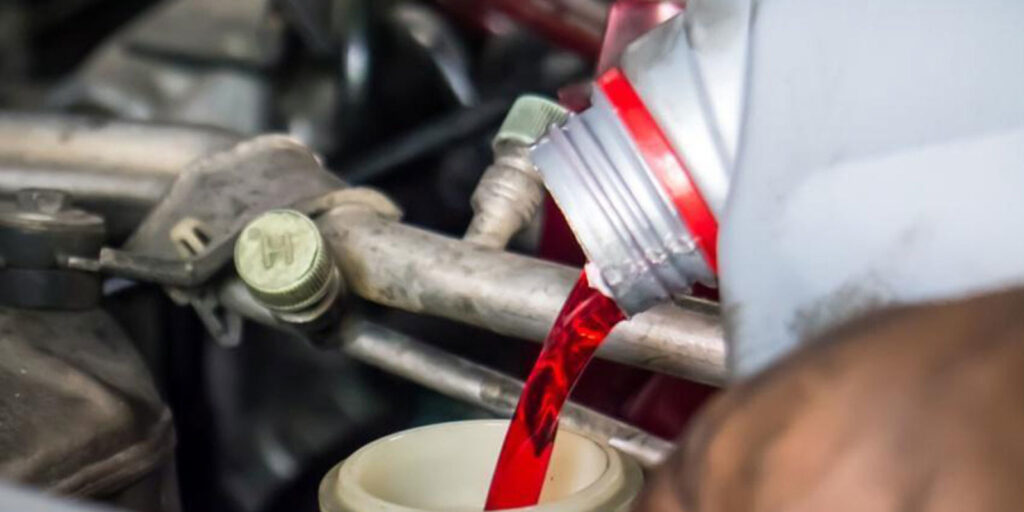
When people ask, “what oil do forklifts use,” the answer depends on the forklift type, operating environment, and the system being serviced. Forklifts do not rely on only one oil. They may use hydraulic oil for lifting and steering, engine oil for combustion-powered models, transmission oil for drivetrain components, and gear oil for specific mechanical systems. Choosing the correct oil is essential because the wrong fluid can reduce performance, increase wear, cause overheating, and shorten equipment life.
In most forklift applications, hydraulic oil is the most common concern. Hydraulic oil powers important functions such as lifting, lowering, tilting, and steering. Many forklifts use AW46 or AW32 hydraulic oil, depending on temperature and workload. For engine oil, propane and gas forklifts commonly use 5W-30 or 10W-40, while diesel forklifts often use SAE 15W-40. However, the manufacturer’s manual should always be the final guide, because oil requirements can vary by model, engine type, hydraulic system, and operating conditions.
liftron reminds forklift owners and operators that choosing the right oil is not just a maintenance detail. It is part of safe, efficient, and responsible equipment operation. Forklifts handle heavy loads every day, so proper lubrication and fluid care help protect the machine, the operator, and the workplace.
Key Forklift Oil Types
| Forklift Oil Type | Main Use and Common Options |
|---|---|
| Hydraulic Oil | Used for steering, tilting, lifting, and other hydraulic functions. Common grades include AW32, AW46, and AW68. |
| AW32 Hydraulic Oil | Suitable for colder conditions and lighter-duty applications where lower viscosity helps fluid flow more easily. |
| AW46 Hydraulic Oil | A common choice for moderate climates and standard-duty forklift operation. |
| AW68 Hydraulic Oil | Often used in hot climates, heavier-duty conditions, or older machinery with more wear. |
| Engine Oil for Propane/Gas Forklifts | Commonly 5W-30 or 10W-40, depending on the engine design, climate, and manufacturer recommendation. |
| Engine Oil for Diesel Forklifts | Generally SAE 15W-40, although the exact requirement should always be checked in the manual. |
| Transmission/Gear Oil | Specific to the manufacturer and drivetrain design, often requiring a heavy-duty gear lubricant. |
Hydraulic Oil: The Most Common Forklift Oil Question
Hydraulic oil is usually the first fluid people think about when discussing forklift oil. This is because the hydraulic system controls many of the forklift’s most important working functions. When an operator raises a load, tilts the mast, lowers the forks, or uses hydraulic steering, hydraulic oil transfers power through the system.
The most common forklift hydraulic oil grades are AW32, AW46, and AW68. The letters “AW” stand for anti-wear, meaning the oil is designed to help protect pumps, valves, cylinders, and other hydraulic parts from wear. The number refers to viscosity. A lower number flows more easily in cooler conditions, while a higher number provides thicker protection in hotter or heavier-duty environments.
AW32 hydraulic oil is often used in colder climates or lighter-duty applications. Because it is thinner than AW46 or AW68, it can move more easily through the hydraulic system when temperatures are low. This helps the forklift respond more smoothly during cold starts and early operation.
AW46 hydraulic oil is one of the most common choices for standard forklift operation. It is suitable for moderate climates and typical warehouse, yard, and industrial use. For many forklifts, AW46 offers a good balance between flow, protection, and performance.
AW68 hydraulic oil is thicker and may be used in hotter climates, high-load conditions, or older forklifts with worn hydraulic components. In these situations, a heavier oil can help maintain pressure and provide additional protection. However, using oil that is too thick in cold weather may slow hydraulic response and strain the system.
Engine Oil for Propane, Gas, and Diesel Forklifts
Forklifts powered by internal combustion engines also require engine oil. This oil lubricates the engine’s moving parts, helps reduce friction, carries heat away from critical components, and protects against wear. The right engine oil depends on whether the forklift uses propane, gasoline, or diesel power.
For propane and gas forklifts, common engine oil choices include 5W-30 and 10W-40. These oils are widely used because they provide good lubrication across a range of operating temperatures. A 5W-30 oil may perform better in cooler starts, while 10W-40 can offer thicker protection in warmer or more demanding conditions.
Diesel forklifts generally use SAE 15W-40 engine oil. Diesel engines often operate under higher compression and heavier loads, so they usually need oil designed for durability and soot control. Still, the exact oil requirement should always come from the forklift manufacturer’s manual, not from a general assumption.
Using the wrong engine oil can lead to hard starting, reduced lubrication, overheating, increased engine wear, and reduced service life. Operators and maintenance teams should also pay attention to oil quality standards, not only viscosity. Some engines require oils that meet specific API or manufacturer specifications.
Transmission and Gear Oil
Transmission oil and gear oil are different from hydraulic oil and engine oil. These fluids are used in drivetrain and gear systems where parts must handle pressure, friction, and mechanical load. The correct transmission or gear oil depends heavily on the forklift design.
Some forklifts require a specific heavy-duty gear lubricant, while others use manufacturer-specified transmission fluid. Because these systems vary widely, it is important not to guess. A fluid that works in one forklift may not be correct for another. Always check the operator’s manual, service manual, or manufacturer recommendation before changing transmission or gear oil.
Fluid Change Intervals
Forklift oil change intervals depend on usage, environment, and manufacturer requirements. As a general guideline, hydraulic oil may be changed approximately every 1,000 operating hours. However, harsh environments, dust, heat, moisture, heavy loads, or continuous use may require more frequent service.
Engine oil is usually replaced during standard engine service. Many forklifts may require around 4 to 6.5 quarts of engine oil, depending on the model and engine size. This amount is only a general reference. The correct capacity should always be confirmed before filling, because overfilling or underfilling can both cause problems.
Maintenance teams should also inspect oil condition. Dark oil, burnt smell, metal particles, milky appearance, or unusual thickness may indicate contamination, overheating, water intrusion, or internal wear. In these cases, simply topping off the oil may not be enough. The forklift should be inspected to identify the source of the problem.
Is Fork Oil Different to Engine Oil?
Yes, forklift hydraulic oil is different from engine oil. Hydraulic oil is designed to transfer power through the hydraulic system. It must flow through pumps, valves, hoses, and cylinders while resisting wear, oxidation, and foaming. Its job is to help operate lifting, tilting, lowering, and steering functions.
Engine oil has a different purpose. It is designed to lubricate internal engine parts, handle combustion byproducts, manage heat, reduce friction, and protect pistons, bearings, camshafts, and other engine components. Engine oil must deal with high temperatures, fuel contamination, soot, and engine deposits.
Because these oils are designed for different systems, they should not be used interchangeably unless the manufacturer specifically allows it. Putting engine oil into a hydraulic system can affect hydraulic performance and damage components. Using hydraulic oil in an engine can result in poor lubrication and serious engine failure.
How to Choose the Right Forklift Oil
The best way to choose forklift oil is to start with the manufacturer’s manual. The manual will list the correct oil grade, viscosity, capacity, and replacement interval. If the forklift operates in extreme heat, cold, dusty conditions, or heavy-duty cycles, maintenance staff may need to adjust oil selection within manufacturer-approved limits.
Climate matters because oil viscosity changes with temperature. In colder conditions, a thinner hydraulic oil such as AW32 may help the system operate more smoothly. In moderate conditions, AW46 is often appropriate. In hot climates or worn equipment, AW68 may be considered when approved for the machine.
Usage also matters. A forklift used occasionally in a clean warehouse may not place the same stress on oil as a forklift working long shifts outdoors. Heavy lifting, constant cycling, and high operating temperatures can break down oil faster. Regular inspections and scheduled service help prevent unexpected downtime.
Common Forklift Oil Mistakes to Avoid
One common mistake is mixing different oil types without checking compatibility. Mixing hydraulic oils or engine oils can reduce performance, change viscosity, or create additive conflicts. Another mistake is using oil based only on availability rather than specification. Just because an oil is nearby does not mean it is correct for the forklift.
Another problem is ignoring leaks. Low hydraulic oil can cause weak lifting, jerky movement, pump noise, overheating, and system damage. Low engine oil can cause severe engine wear or failure. Operators should report leaks quickly and avoid using a forklift that shows signs of serious fluid loss.
It is also important not to overfill. Too much oil can cause foaming, pressure issues, leaks, or poor performance. Proper filling should be done according to the manual, using the correct dipstick, sight glass, or fill procedure.
Maintenance Reminder
liftron reminds forklift operators and fleet managers that oil maintenance is part of safe forklift operation. Drivers should pay attention to warning signs such as slow lifting, unusual noise, fluid leaks, overheating, hard starting, or poor engine performance. These symptoms may point to low fluid, wrong oil, contamination, or a system problem.
Forklift operators should also protect their own safety by following proper operating procedures. Before using a forklift, check fluid levels when required, inspect for visible leaks, confirm the machine responds normally, and report problems before they become dangerous. Safe forklift use is not only about driving skill; it also depends on proper maintenance and responsible equipment care.
Fazit
Forklifts commonly use AW32, AW46, or AW68 hydraulic oil for lifting, steering, and tilting systems. AW32 is often suitable for colder conditions, AW46 is widely used in moderate climates and standard-duty work, and AW68 may fit hotter or heavier-duty applications. Propane and gas forklifts commonly use 5W-30 or 10W-40 engine oil, while diesel forklifts generally use SAE 15W-40. Transmission and gear oils are more model-specific and should be selected according to manufacturer requirements.
The most important rule is simple: always check the forklift manufacturer’s manual before selecting or changing oil. The correct fluid helps protect the hydraulic system, engine, transmission, and gears. With proper oil selection, regular service, and safe operation, forklifts can perform more reliably and support a safer, more productive workplace.
 English
  French
  Spanish
  Vietnamese
  Thai
Thai  Italian
  Arabic
  Malay
Malay  Portuguese
  German
  Russian
  Japanese
  Korean
  Lao
Lao  Indonesian
  Turkish
  Irish
Irish  Uzbek
Uzbek