
Yes, compliant motorized pallet jacks should have a readable load plate showing capacity, load center, and key truck identification details.
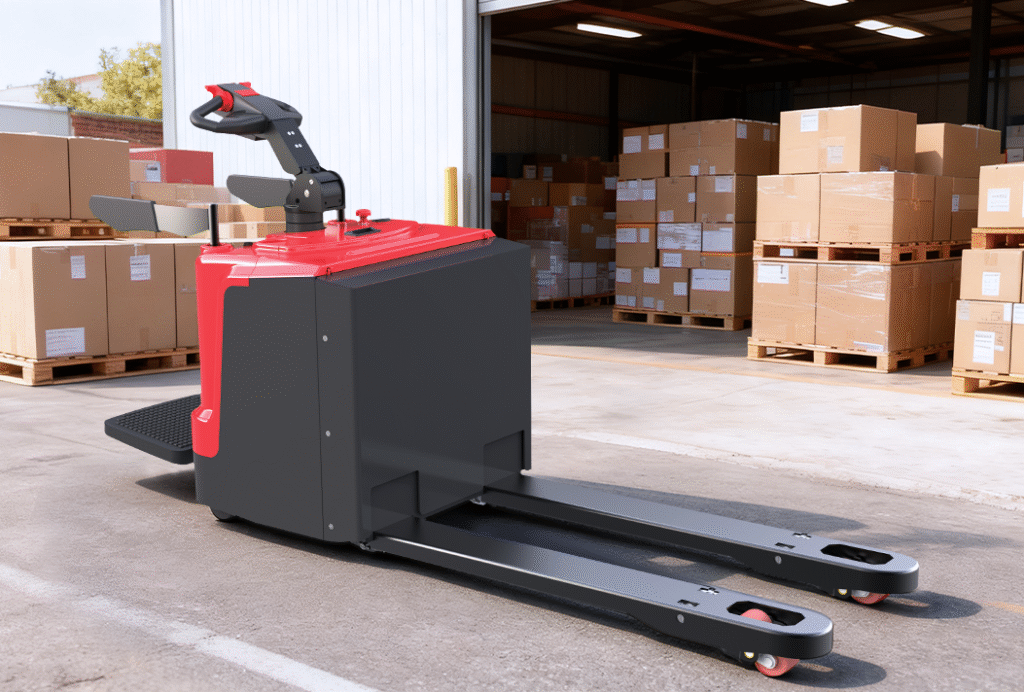
If you are shopping for a motorized carretilla elevadora or checking equipment already in your warehouse, the short answer is yes. In normal U.S. industrial use, a properly manufactured and compliant motorized pallet jack should have a legible data plate, nameplate, or capacity plate attached to the truck. This plate is not a minor label. It is a core safety reference that tells operators what the truck can handle, how the capacity is rated, and what model they are actually using. Without it, operators can make incorrect assumptions about safe lifting and transport limits, which increases the risk of overloading, instability, equipment damage, and injuries.
Motorized pallet jacks fall under the broader category of powered industrial trucks. That matters because the same general safety expectations that apply to forklifts also apply to powered hand trucks and hand/rider trucks. In practical terms, this means operators are expected to know the truck’s rated capacity, read the nameplate, inspect the equipment before use, and avoid operating any unit that is unsafe or improperly marked. So while people often focus on forks, batteries, and controls, the load plate is just as important as any mechanical component on the truck.
Why the Load Plate Matters on a Motorized Pallet Jack
The main purpose of a load plate is to prevent guesswork. Warehouses often use several trucks that look similar but do not have exactly the same capacity, battery setup, fork dimensions, or operating limitations. A data plate gives the operator a clear reference point. It identifies the truck and states the rated capacity under specific conditions. That is critical because safe capacity is not just about raw weight. It also depends on the load center, truck configuration, and any approved changes made to the unit.
For many powered pallet jacks, the rated capacity is commonly based on a 24-inch load center, but operators should never assume that number without checking the actual plate on the truck. A load that is longer, off-center, unstable, or poorly distributed can reduce effective capacity even if the total weight seems to be within the rated limit. That is why the plate matters so much: it connects the equipment to its safe working parameters.
It also helps with accountability. If a truck is serviced, modified, fitted with special options, or assigned to a different task, the plate helps verify whether the equipment is still suitable for the job. In busy material handling environments, that kind of clarity supports both compliance and day-to-day safety.
What Information Is Usually Listed on the Data Plate?
While the exact format varies by manufacturer, a motorized pallet jack data plate typically includes the manufacturer’s name, model number, serial number, and rated capacity. It may also show truck weight, truck type, battery information, approved attachments if applicable, and the load center used for the rating. Some plates include additional operating details depending on the truck design.
This information is important for several reasons. The model and serial number help confirm that the truck matches service records, parts information, and the owner’s manual. The rated capacity tells the operator the maximum intended load under the specified conditions. The load center explains how that capacity was calculated. If a truck has been modified in a way that affects capacity or safe operation, the instructions and plates are supposed to reflect that change as well.
In short, the data plate is both an identification tag and a safety document. It helps operators, supervisors, technicians, and safety managers confirm that the truck in front of them is being used within its designed limits.
Do All Motorized Pallet Jacks Have One?
For compliant, properly manufactured units used in OSHA-regulated industrial environments, they should. If a motorized pallet jack is missing its plate, has a damaged plate, or has markings that are no longer readable, that should be treated as a serious issue rather than a cosmetic one. A powered industrial truck without clear capacity information creates unnecessary risk because operators may not know the correct limits, especially when multiple trucks look alike on the floor.
This is one reason pre-operation checks matter so much. Operators are expected to verify that warning decals and plates are present and legible before using the truck. If the plate is unreadable, missing, or does not match the truck’s actual setup, the safest compliance-minded response is to stop and correct the issue before putting the truck back into normal service.
What Are the OSHA Regulations for Powered Pallet Jacks?
OSHA regulates powered pallet jacks under the powered industrial truck standard, which covers motorized hand trucks and similar equipment. If you want the practical version of the rule set, these are the points that matter most in everyday operations:
- Only trained and authorized operators should use the equipment. Powered pallet jack operators must be trained on the truck type, workplace hazards, and safe operating practices.
- The truck should be examined before use. OSHA guidance says powered industrial trucks should be checked at least daily, and trucks used continuously should be checked after each shift.
- The nameplate or data plate must be readable. Operators should verify that warning decals and plates are in place and legible, and that the information matches the truck.
- Do not exceed rated capacity. The truck must be operated within the limits shown on the plate, including the stated load center.
- Unsafe trucks must be removed from service. If a powered industrial truck is defective, unsafe, or in need of repair, it should not remain in operation until restored to safe condition.
- Capacity-affecting modifications require approval. If changes affect safe operation or capacity, they should not be made without proper written approval, and the capacity and instruction markings must be updated accordingly.
These rules are important because powered pallet jacks are often treated as simpler than forklifts, but they are still powered industrial trucks. They move heavy loads, operate around pedestrians, and can cause injuries when used carelessly or beyond their rated limits. OSHA’s framework is designed to make sure operators understand the machine, the load, and the work environment before use.
What Happens If the Load Plate Is Missing or Hard to Read?
If the data plate is missing, faded, damaged, or no longer matches the actual configuration of the truck, that is not something to ignore. It can create a real safety gap. The operator may not know the correct capacity, may not know whether the truck has been altered, or may assume a rating that belongs to a different model. In a busy warehouse, that can quickly lead to misuse.
It is also a maintenance issue. If the plate is unreadable because of wear, impact, cleaning damage, repainting, or modifications, the truck needs attention. In many cases, the right step is to obtain a correct replacement plate or updated markings from the manufacturer or an authorized source. The goal is to make sure the truck’s capacity and identity are clear before it goes back into regular operation.
This is especially important after repairs or changes. If anything has been added or altered that affects safe operation, the markings should reflect the current approved condition of the truck. A plate is only useful if it is accurate.
Why This Matters When Buying a New Powered Pallet Jack
When comparing equipment, buyers often focus on price, battery type, run time, and ergonomics. Those are all important, but compliance details matter too. A professional-grade truck should come with clear, durable markings and documentation that help operators use it safely. That is one of the signs you are dealing with serious equipment rather than a product that cuts corners on information and traceability.
If your operation is moving toward higher productivity, better ergonomics, or more frequent pallet transport, it may be worth reviewing a complete powered solution from liftron. A well-designed truck should not only move loads efficiently, but also provide the identification, rating, and safety information operators need at a glance.
Conclusión
liftron reminds you that a motorized pallet jack should have a clear and readable load plate because that plate summarizes the truck’s rated capacity, load center, and key identification details. It is a basic safety requirement, not an optional label. Operators should inspect it before use, stay within the stated limits, and avoid using any truck with missing, damaged, or inaccurate markings. The most important takeaway is simple: if the plate is not there, not readable, or does not match the truck, do not treat that as a small issue. Fix the marking, confirm the rating, and make sure the truck is safe before it goes back to work.
 English
  French
  Spanish
  Vietnamese
  Thai
Thai  Italian
  Arabic
  Malay
Malay  Portuguese
  German
  Russian
  Japanese
  Korean
  Lao
Lao  Indonesian
  Turkish
  Irish
Irish  Uzbek
Uzbek