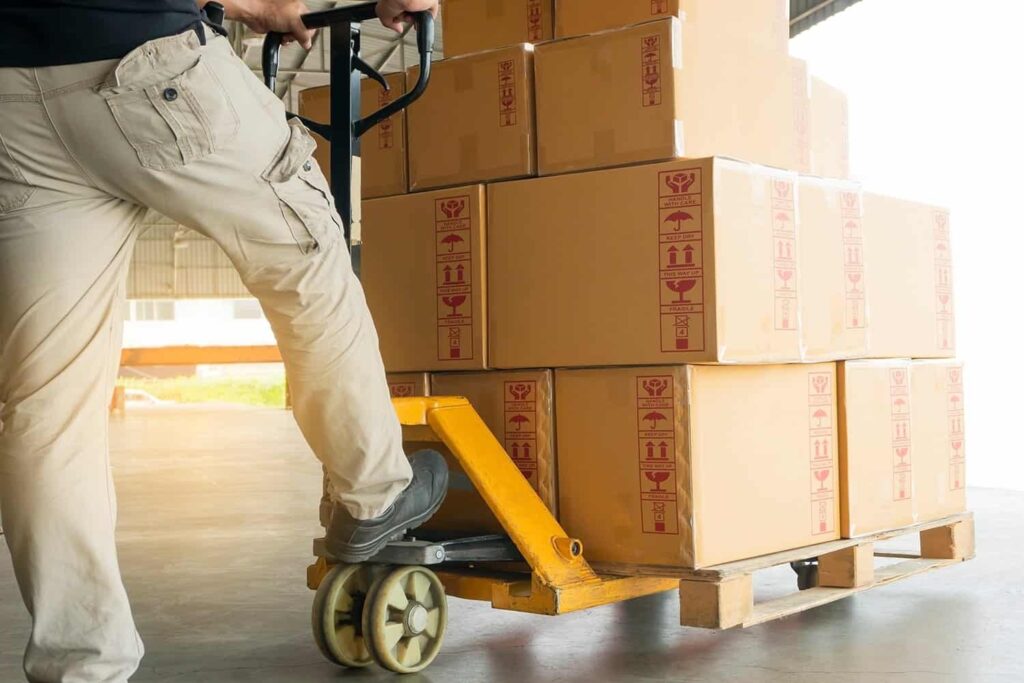
Does a Pallet Jack Require Daily Inspection?
Yes, a pallet jack requires a daily pre-shift inspection. The level of inspection depends on whether the equipment is manual or powered.


Yes, a pallet jack requires a daily pre-shift inspection. The level of inspection depends on whether the equipment is manual or powered.
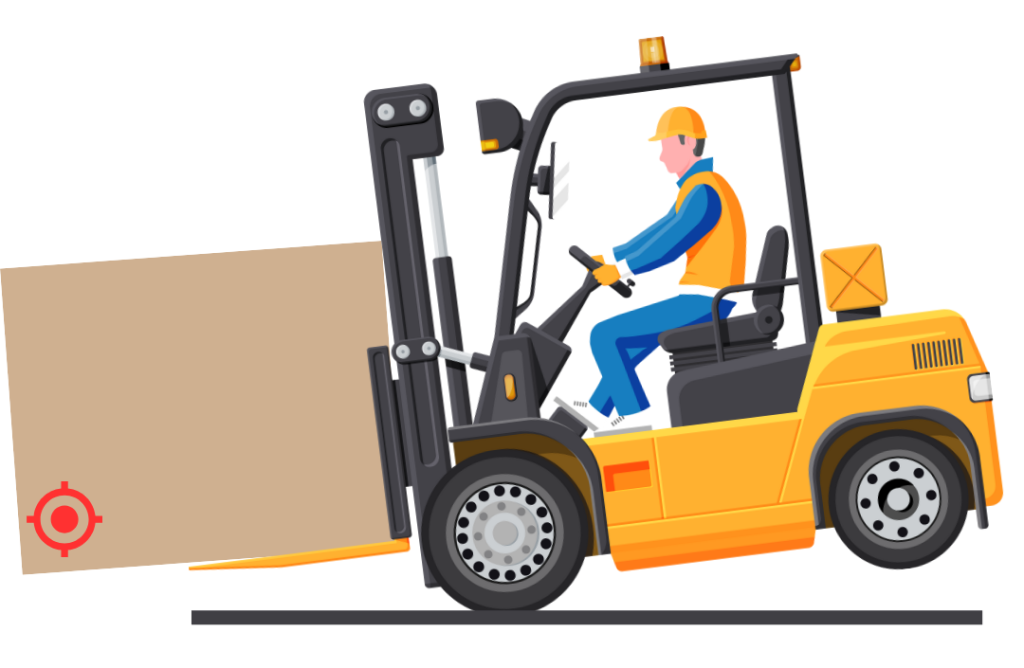
The capacity of a forklift can be found on the data plate, which lists safe lifting limits, load centers, and key truck details.
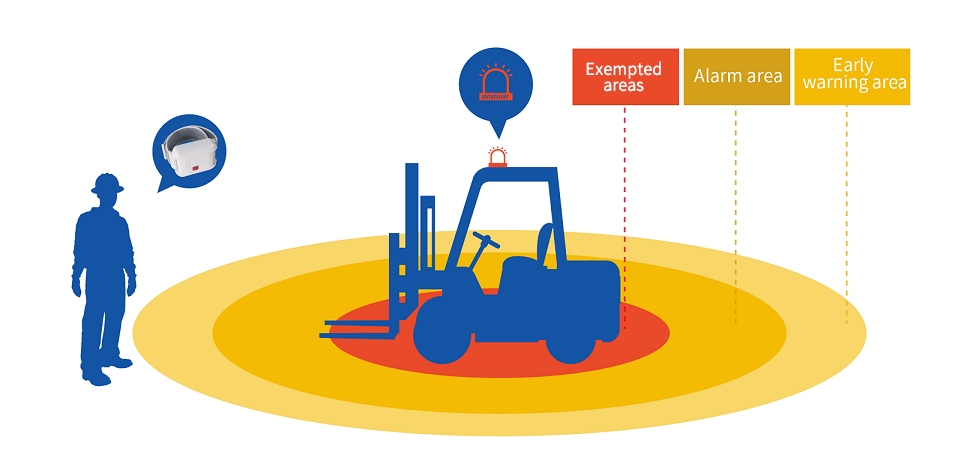
The forklift fall zone is the dangerous area under and around a raised load where materials could fall and injure workers.
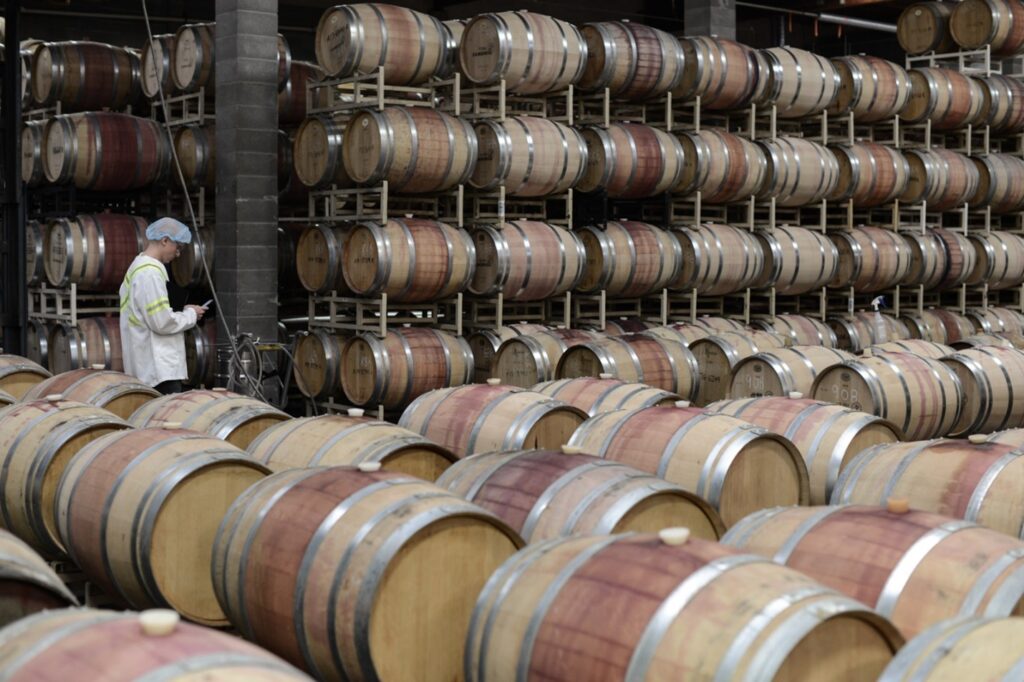
Handling wine barrel racks with a pallet jack requires the right rack clearance, careful balance, and slow, controlled movement.
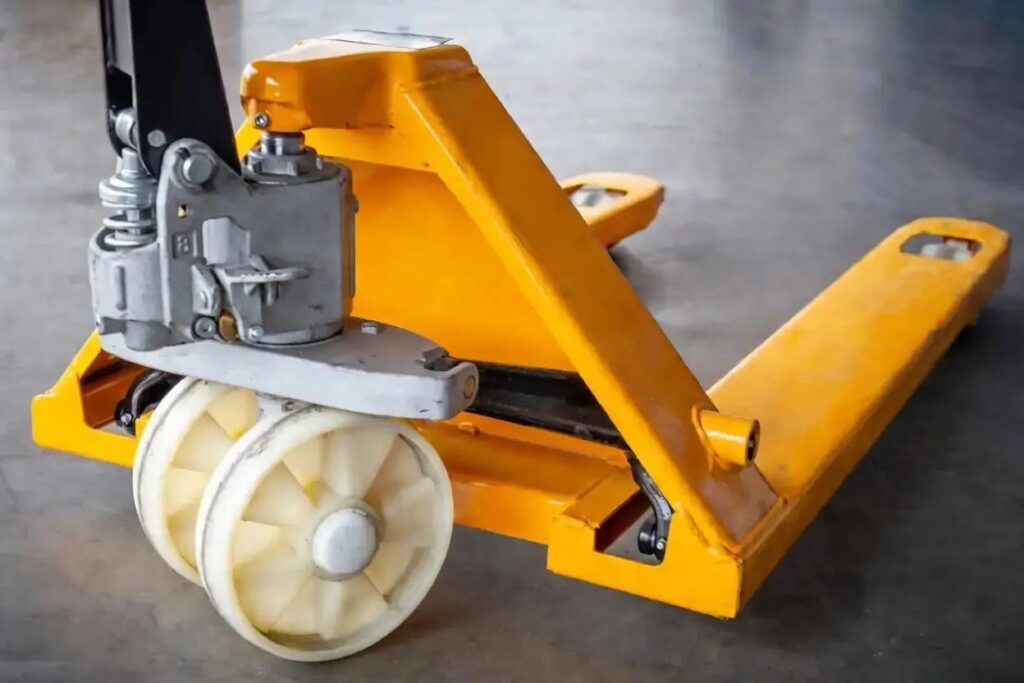
A leaking manual pallet jack seal can reduce lifting power, cause oil loss, and make daily pallet handling unsafe or inefficient.
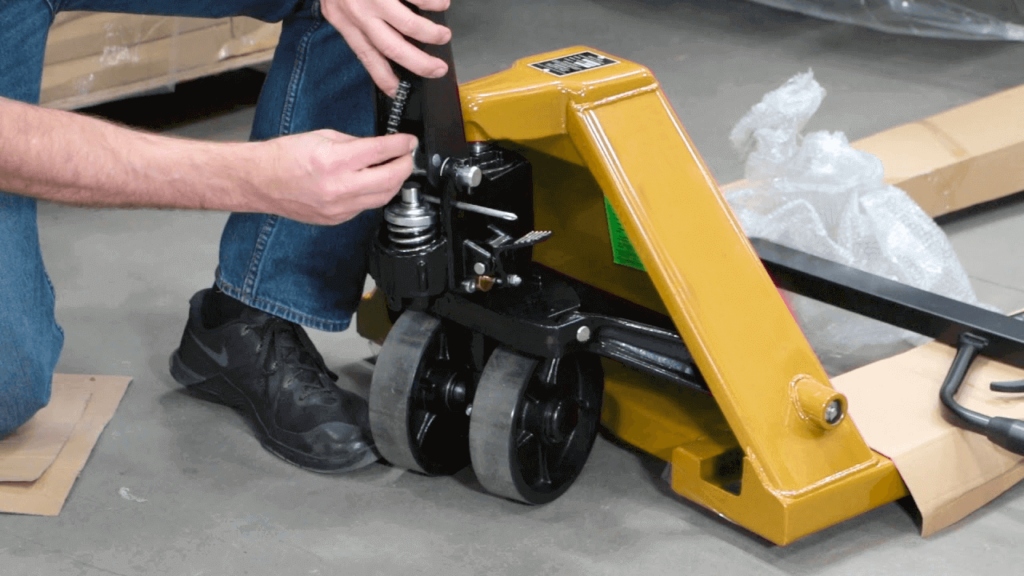
To bleed air from a pallet jack, pull the release lever to the lowering position, then pump the handle 10–15 times to purge air from the hydraulic system. For persistent issues, check the oil reservoir, fill with hydraulic fluid if needed, and repeat the pumping process with the lever in the lower position.
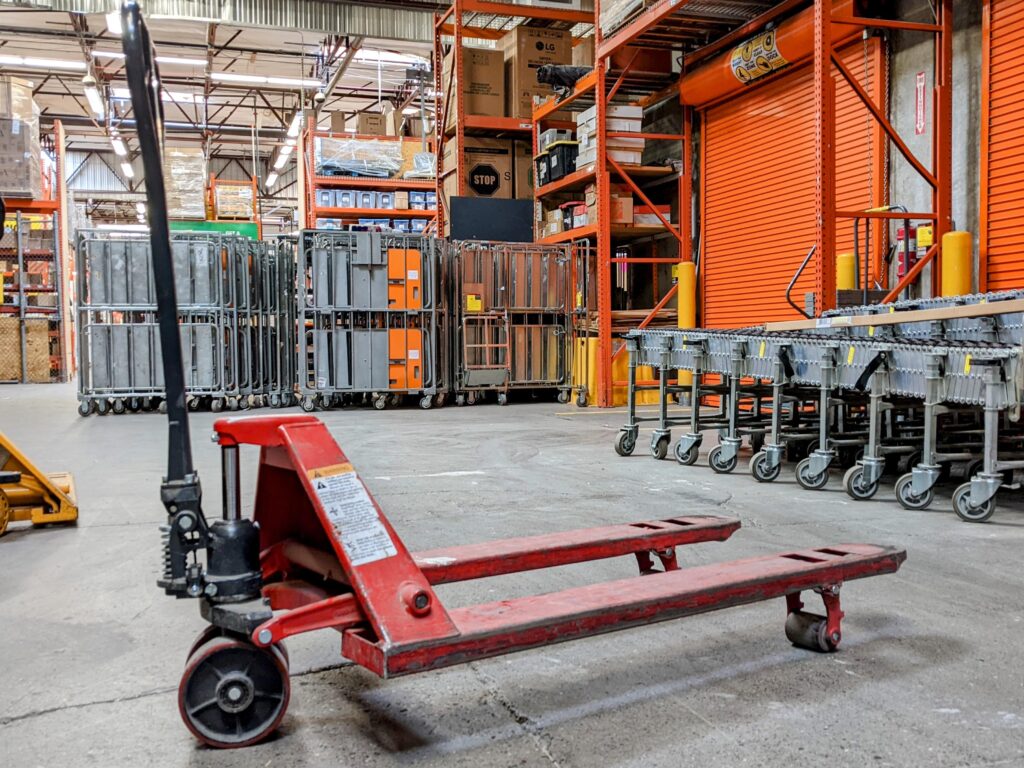
To tighten the chain on a manual pallet jack, adjust the nut on the adjustment stud located at the base of the handle, typically using a 14mm wrench and screwdriver to secure it so 4-5 threads remain visible.
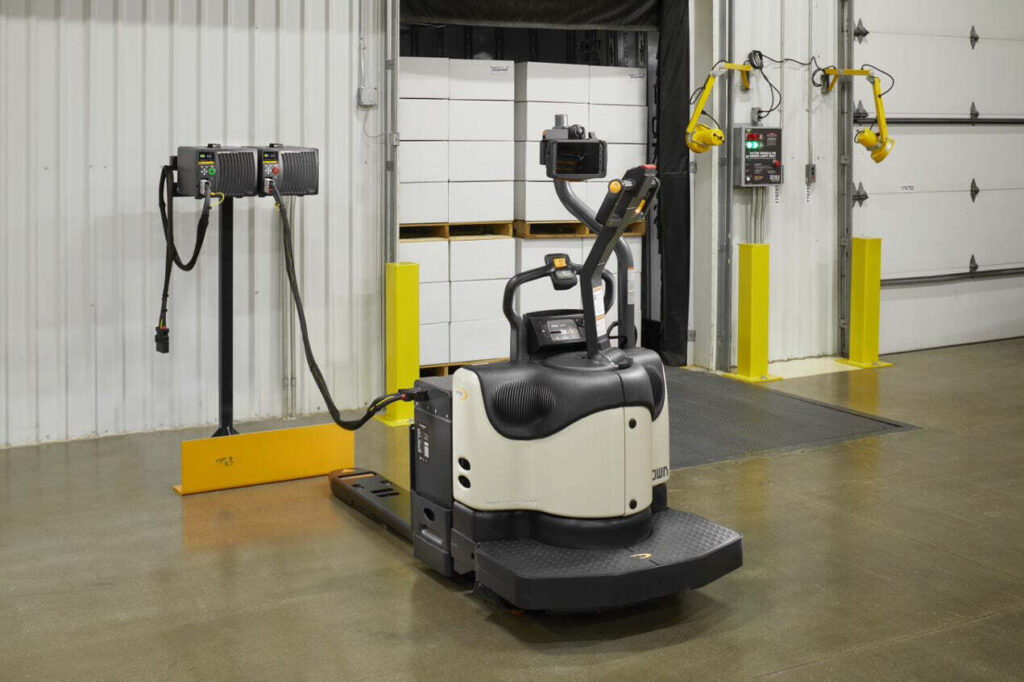
Most electric pallet jacks need 15 to 40 amps of DC output, with smaller 24V models often using a 15A to 20A charger.

Yes, a pallet jack makes heavy loads significantly easier to move by lifting them just off the ground and using wheels for smooth horizontal transport. This dramatically reduces the force needed to pull or push compared to dragging items across the floor.
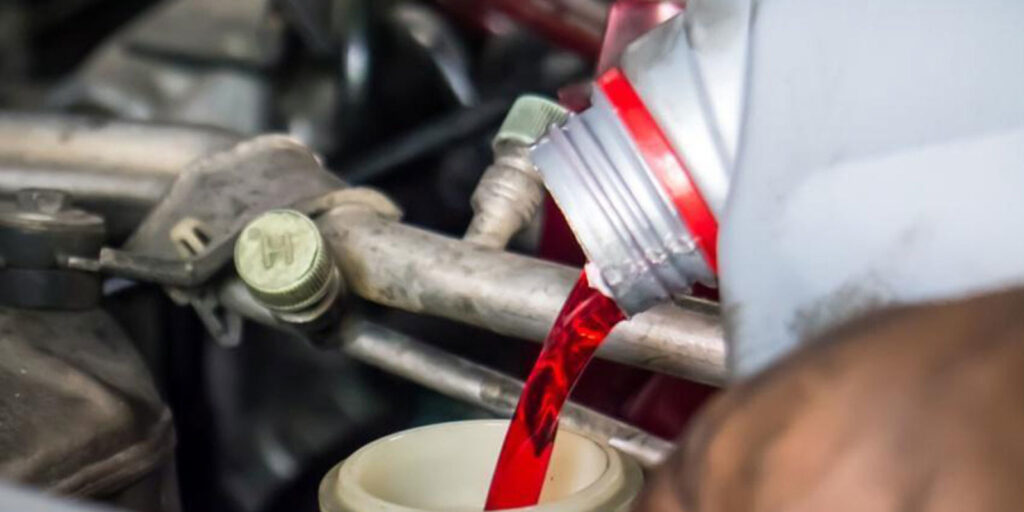
Forklifts commonly use AW32 or AW46 hydraulic oil, while propane, gas, and diesel models require engine oil matched to the application.
 English English
  French
 Spanish
 Vietnamese
 Thai
Thai
 Italian
 Arabic
 Malay
Malay
 Portuguese
 German
 Russian
 Japanese
 Korean
 Lao
Lao
 Indonesian
 Turkish
 Irish
Irish
 Uzbek
Uzbek