
Using a forklift in a warehouse requires strict adherence to safety protocols: conducting pre-operation inspections, wearing seatbelts, driving with forks low (4–6 inches off the ground), and tilting the mast back for stability. Always yield to pedestrians, use the horn at intersections, and drive in reverse if the load obstructs your view.
What Is the Correct Way to Operate a Forklift in the Warehouse?
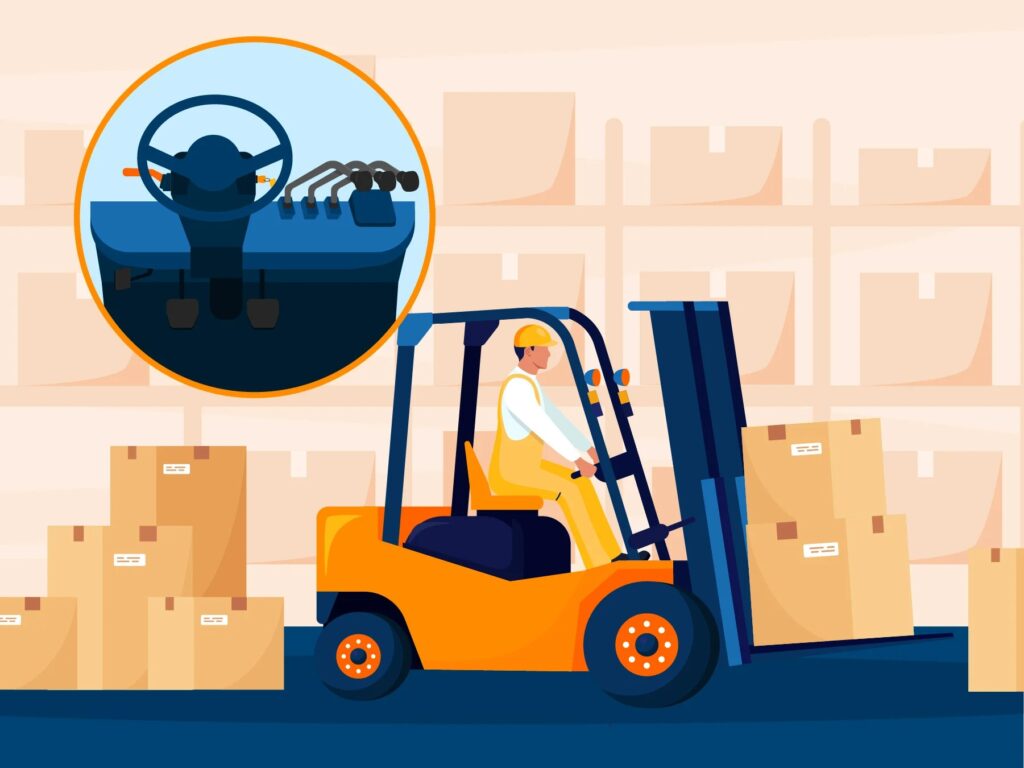
The correct way to operate a forklift follows a simple but strict sequence that prioritizes safety and stability. Before starting any shift, perform a complete pre-operation inspection (PMA). Check brakes, steering, horn, lights, tires, forks, and fluid levels. Report any defects immediately and tag the machine out of service. Once cleared, fasten your seatbelt, adjust the seat and mirrors, and start the engine. Keep forks 4–6 inches off the ground and tilted slightly back to secure the load against the carriage. Drive at walking speed (max 5–8 mph in the warehouse), sound the horn at blind intersections, and always yield to pedestrians. When carrying a load, travel in reverse if it blocks your forward view. Never turn with the load raised, never exceed the rated capacity, and never carry passengers. Lower the forks fully before exiting the machine and set the parking brake.
Pre-Operation Inspection Checklist
Every operator must complete this daily walk-around check:
- Brakes, steering, and horn function properly
- Tires show no cuts or excessive wear
- Forks and carriage have no cracks or bends
- Hydraulic hoses and cylinders show no leaks
- Battery or propane tank is secure and at proper level
- Seatbelt, lights, and mirrors are intact
- Overhead guard and load backrest are undamaged
Document the inspection on a company form. Any “no” answer means the forklift stays parked until repaired.
Key Driving Rules Inside the Warehouse
Warehouse driving demands extra caution due to narrow aisles, pedestrians, and racking systems. Always:
- Drive with forks low (4–6 inches off the floor) and tilted back
- Maintain clear visibility — never stack loads higher than the overhead guard
- Sound the horn at every blind corner and intersection
- Yield to pedestrians and other vehicles
- Travel in reverse when the load obstructs forward view
- Keep speed under 5 mph near racks and people
- Never use the forklift to push or pull other equipment
What Are the 7S Rules in a Warehouse?
The 7S methodology builds on the classic 5S system and adds two critical safety-focused elements for modern warehouses:
- Sort (Seiri) – Remove unnecessary items and tools from the floor.
- Set in Order (Seiton) – Organize everything with clear labels and designated locations.
- Shine (Seiso) – Clean floors, racks, and equipment daily to spot leaks and hazards early.
- Standardize (Seiketsu) – Create checklists and visual standards everyone follows.
- Sustain (Shitsuke) – Maintain discipline through regular audits and training.
- Safety – Integrate forklift inspection routines, speed limits, and pedestrian pathways into daily operations.
- Security – Control access to high-value areas and secure hazardous materials to prevent theft or accidents.
Following 7S dramatically reduces forklift-related incidents by keeping aisles clear and hazards visible.
Conclusion
Using a forklift in a warehouse is safe only when every operator follows strict protocols: daily inspections, forks kept low at 4–6 inches, mast tilted back, horn use at intersections, and reverse travel when visibility is blocked. The 7S rules (Sort, Set in Order, Shine, Standardize, Sustain, Safety, Security) create an organized environment that prevents accidents before they happen. Consistent training, documented inspections, and immediate repair of any defect keep both people and equipment protected. Proper forklift operation is not just about moving loads — it is about protecting lives and maintaining productivity every single day.