
Yes, electric forklifts use hydraulic systems for lifting, lowering, and tilting loads, just like internal combustion forklifts. While an electric motor drives the wheels, a separate electric-powered hydraulic pump pressurizes oil to control the mast and fork movements, ensuring precise handling in warehouse environments.
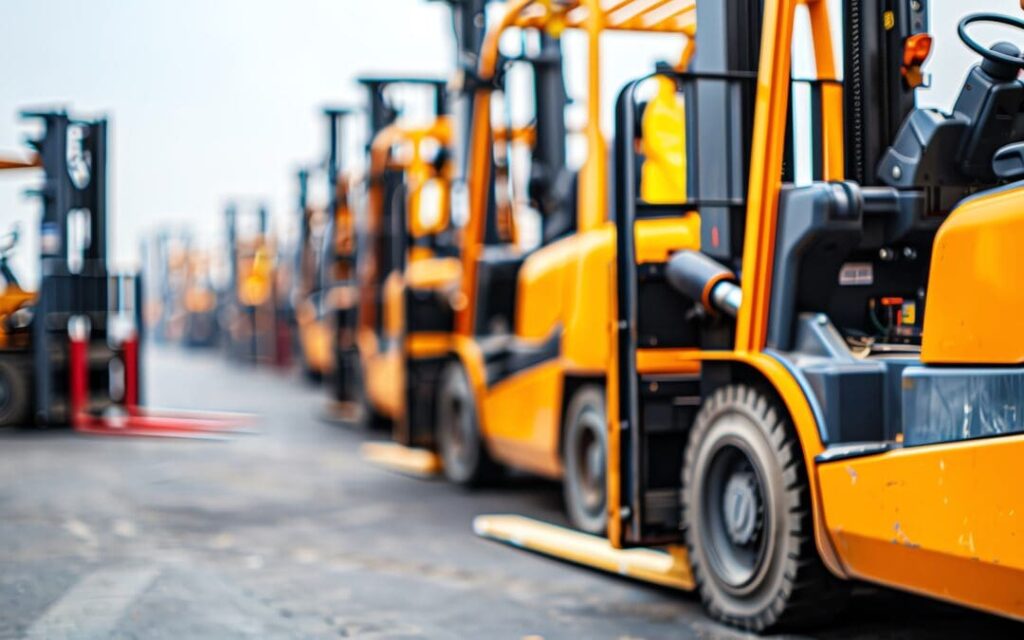
How Hydraulics Work in Electric Forklifts
Electric forklifts separate propulsion from load handling. The drive motor powers the wheels through a gearbox or direct drive, while a dedicated hydraulic system manages all vertical and tilting movements. This design allows the forklift to deliver instant torque for driving while maintaining strong, controlled lifting power. The hydraulic system is powered by an electric motor connected to a hydraulic pump, which pressurizes fluid to move cylinders. This setup is highly efficient and produces no exhaust, making carrelli elevatori elettrici ideal for indoor use.
Hydraulic Pump
The heart of the system is an electric hydraulic pump, usually a gear or vane pump driven by a 24V, 36V, or 48V motor. When the operator moves the lift or tilt lever, the pump activates and sends pressurized fluid to the cylinders. Modern electric forklifts use variable-speed pumps that only run when needed, saving battery power and reducing noise compared to continuously running pumps on older models.
Control Valves
Directional control valves regulate the flow of hydraulic fluid to the lift, tilt, and side-shift cylinders. These valves are electrically actuated on modern forklifts, giving the operator precise fingertip control. Many Yale, Toyota, and Crown electric models include load-sensing valves that automatically adjust pressure based on the weight being lifted, improving efficiency and preventing overload.
Hydraulic Cylinders
Lift cylinders raise and lower the mast, while tilt cylinders angle the forks forward or backward for safe load handling. Side-shift cylinders allow lateral movement of the forks without repositioning the entire truck. These cylinders are robust, sealed units designed for thousands of cycles. Electric forklifts often use shorter-stroke cylinders than larger diesel models because they are optimized for warehouse heights rather than extreme outdoor reach.
Return System
After lifting, fluid returns to the reservoir through return lines and filters. Many carrelli elevatori elettrici incorporate regenerative features where lowering a load can drive a motor-generator to send power back to the battery, further extending run time. A breather and filter system keeps the fluid clean and prevents contamination, which is critical for long service life.
Advantages of Hydraulic Systems in Electric Forklifts
Electric forklifts combine the precision of hydraulics with the clean, quiet power of electricity. Operators enjoy smooth, proportional control that is difficult to achieve with purely mechanical systems. The hydraulic system runs only when needed, conserving battery power. Maintenance is straightforward — regular fluid checks, filter changes, and seal inspections keep the system reliable for years.
What Is the Life Expectancy of an Electric Forklift?
A well-maintained electric forklift typically lasts 10–15 years or 15,000–25,000 operating hours. The hydraulic system often outlasts the battery pack. Lead-acid batteries usually need replacement after 3–5 years, while lithium-ion packs commonly last 8–12 years. The frame, mast, and hydraulic cylinders frequently remain serviceable for 15+ years with proper care. Many fleets report electric forklifts still performing reliably at 20 years old when major components like the pump and valves are rebuilt or replaced during scheduled maintenance.
Conclusione
Electric forklifts definitely use hydraulics for all lifting, lowering, and tilting functions. The system is powered by an electric motor and pump rather than an engine-driven pump, delivering precise control, energy efficiency, and quiet operation. Understanding how the hydraulic components work helps operators maintain their equipment properly and maximize productivity. With regular fluid checks and seal inspections, the hydraulic system remains one of the most reliable parts of an electric forklift.
 English
  French
  Spanish
  Vietnamese
  Thai
Thai  Italian
  Arabic
  Malay
Malay  Portuguese
  German
  Russian
  Japanese
  Korean
  Lao
Lao