
Is an Electric Pallet Jack a Forklift?
An electric pallet jack is technically considered a type of forklift, specifically classified by OSHA as a Class III powered industrial truck.


An electric pallet jack is technically considered a type of forklift, specifically classified by OSHA as a Class III powered industrial truck.
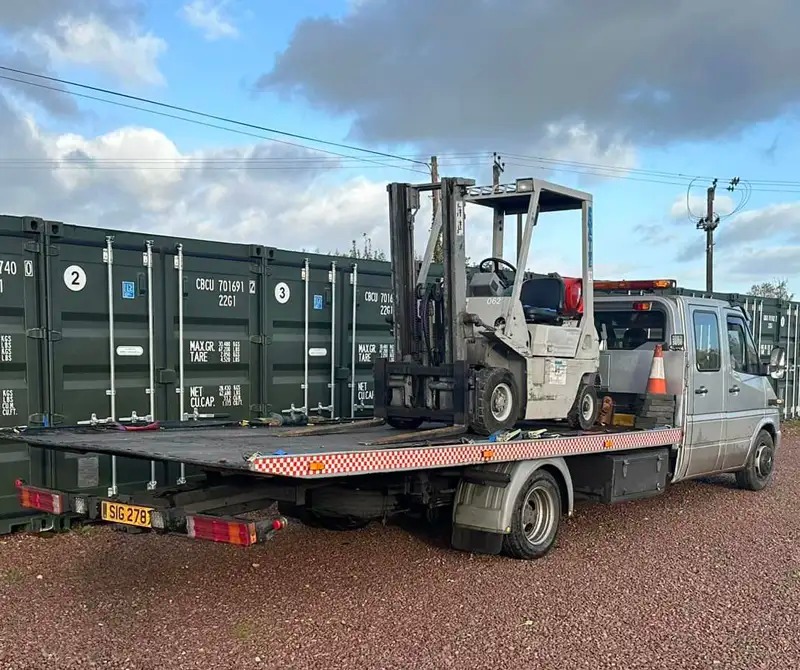
Moving a dead electric forklift is best achieved by towing it with a larger forklift, using a temporary power source (like daisy-chained 12V car batteries) to release the brake, or removing the battery to free up wheels, typically needing to move it at speeds below 2 km/h.

Many modern electric forklifts can be used in the rain, provided they have a sufficient IP (Ingress Protection) rating, typically IPX4 or higher.
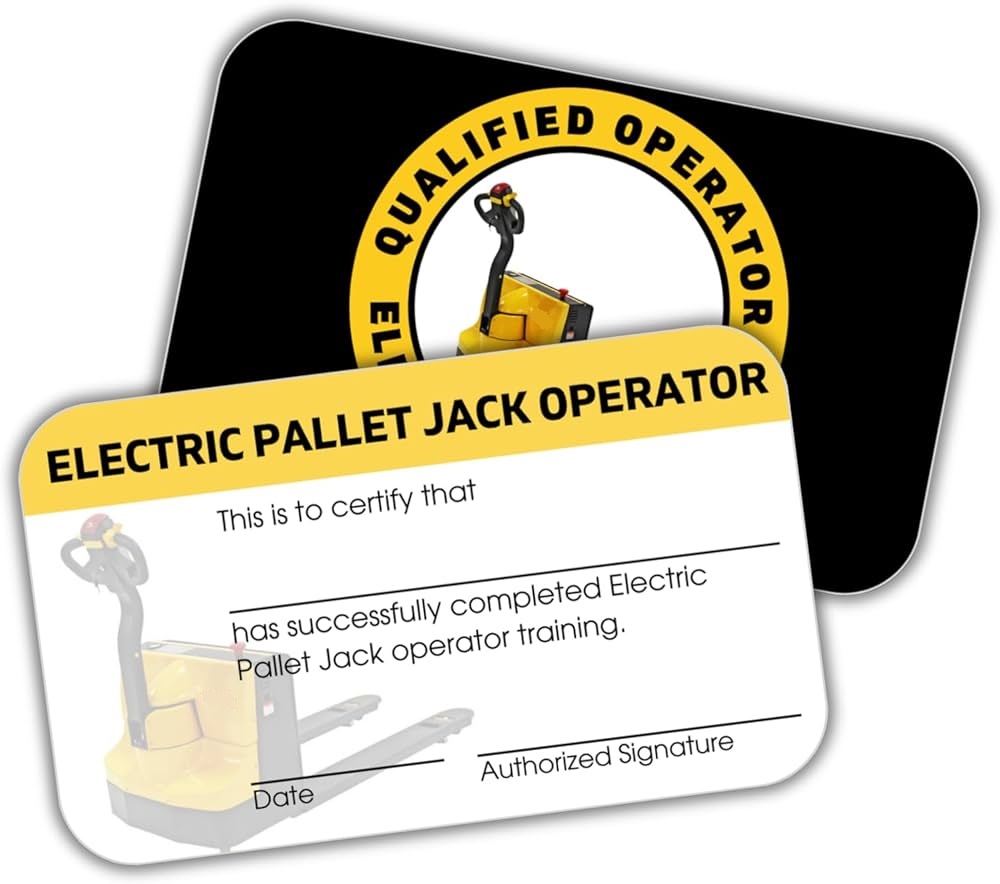
Getting a pallet jack certification is required for motorized models and highly recommended for manual ones.
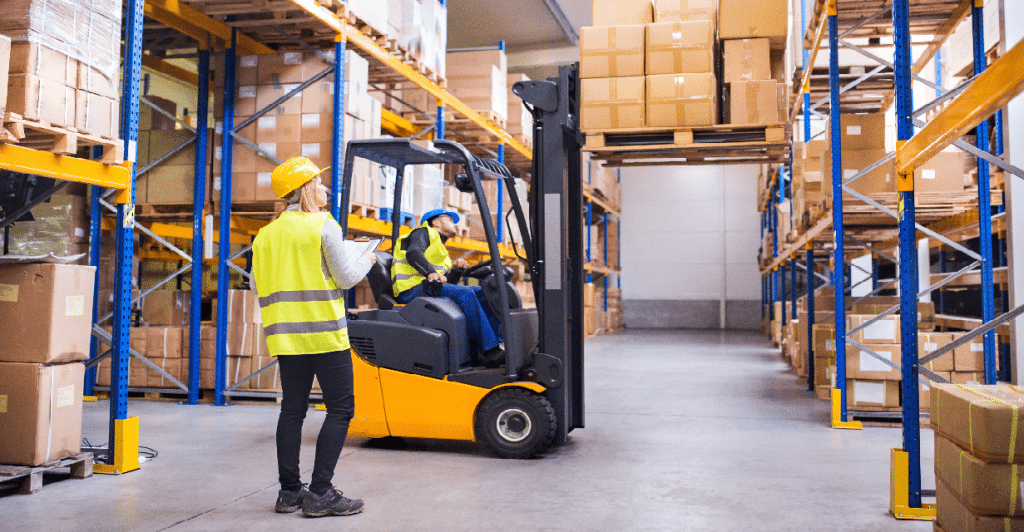
Electric forklifts are generally an excellent choice, offering lower long-term operating costs, reduced maintenance, and zero emissions, making them ideal for indoor warehouse environments.
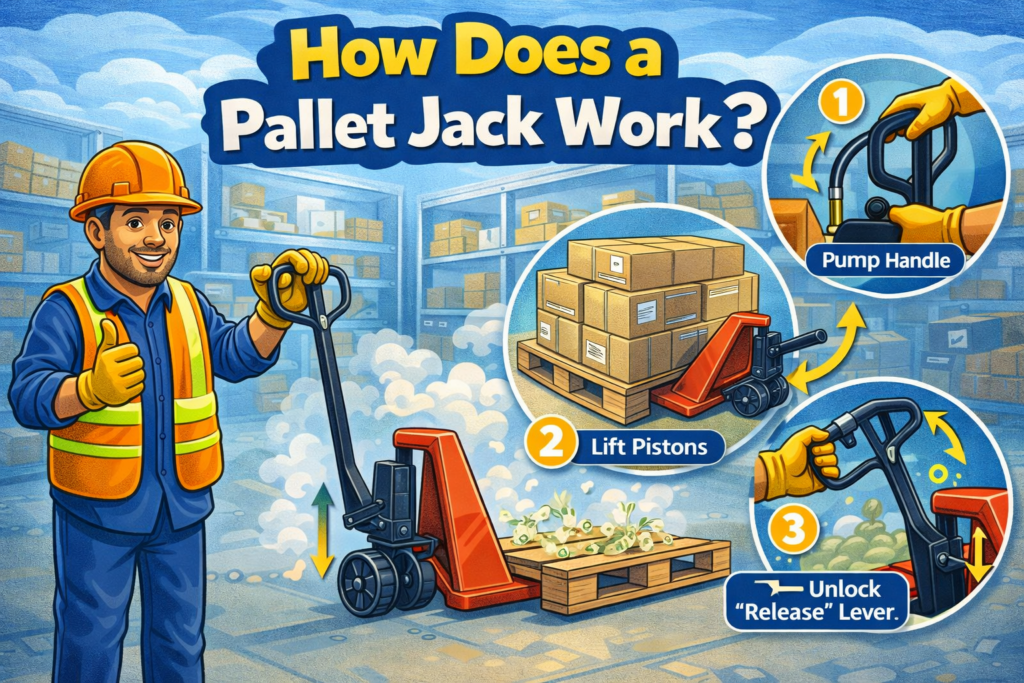
A pallet jack works by using a hand-pumped or electric hydraulic mechanism to lift heavy loads, utilizing a piston and hydraulic oil to raise the forks a few inches off the ground.
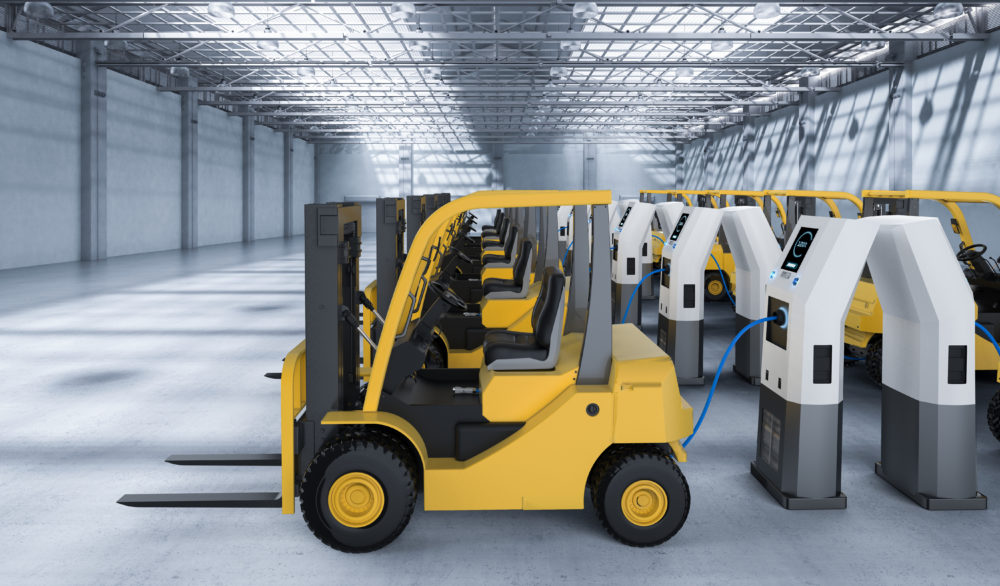
Electric forklift batteries generally last between 3 to 7 years (1,000 to 1,500+ cycles) depending on type and care.
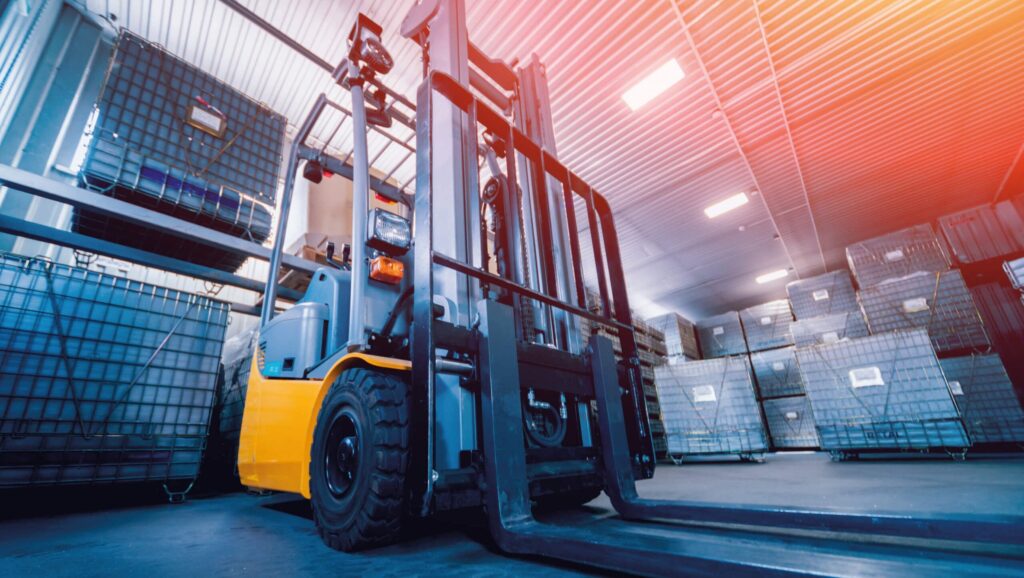
Plugging on an electric forklift is a technique used to slow down or stop by reversing the directional control while the truck is still moving forward, causing the motor to act as a brake.
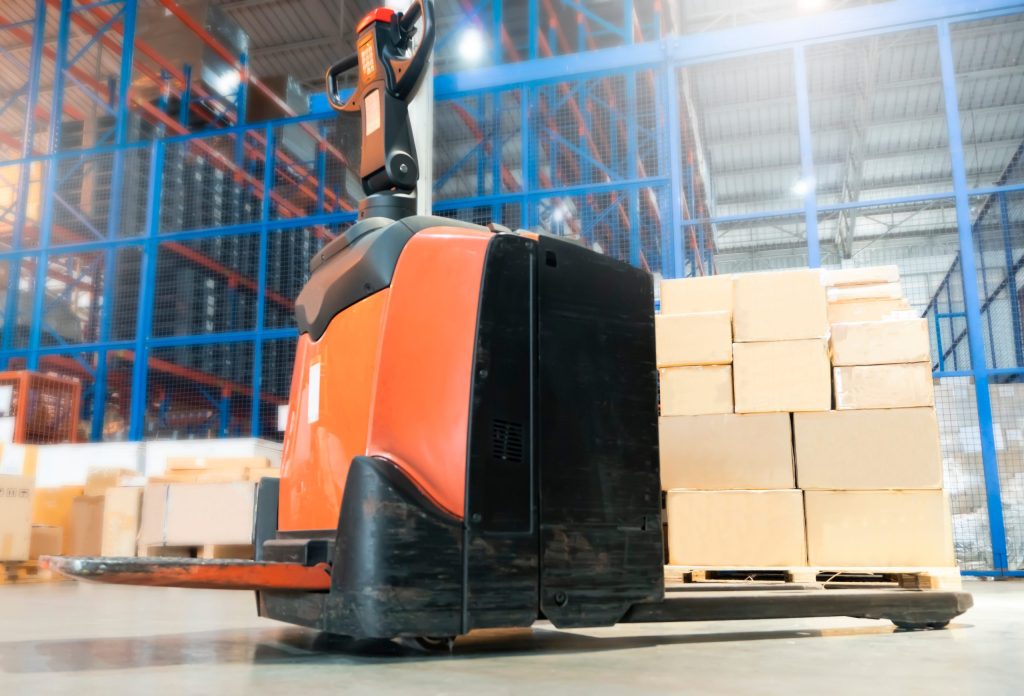
A standard manual pallet jack typically weighs between 150 and 300 lbs (68–136 kg), with common models weighing about 165–200 lbs, designed to lift up to 5,500 lbs.
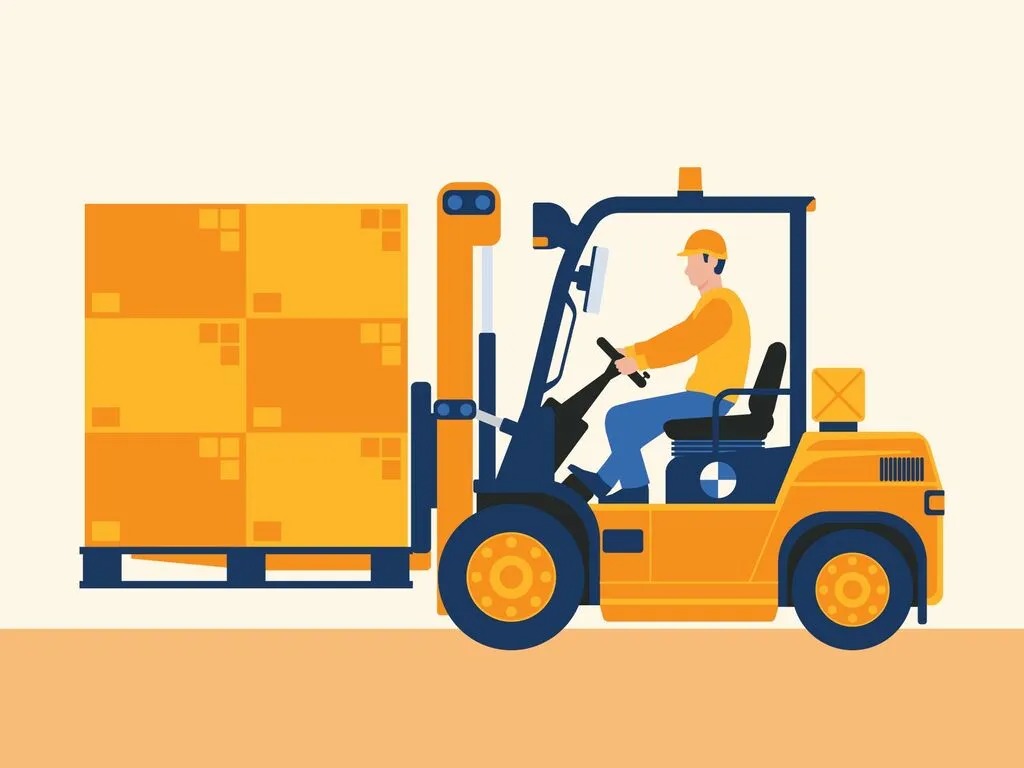
A forklift load center is the horizontal distance from the vertical face of the forks to the load’s center of gravity.
 English English
  French
 Spanish
 Vietnamese
 Thai
Thai
 Italian
 Arabic
 Malay
Malay
 Portuguese
 German
 Russian
 Japanese
 Korean
 Lao
Lao