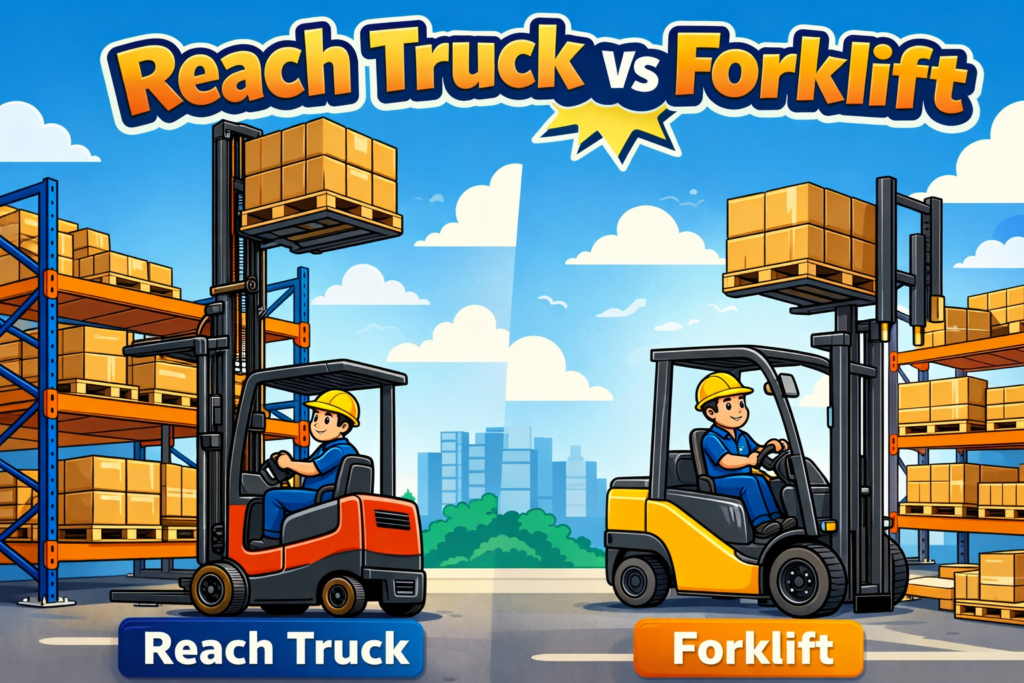
What Is the Difference Between a Reach Truck and Forklift?
Reach trucks are designed for high-lifting in narrow indoor warehouse aisles, utilizing extending masts and standing operators.

Reach trucks are designed for high-lifting in narrow indoor warehouse aisles, utilizing extending masts and standing operators.

Standard manual pallet jacks typically lift loads only 3 to 8 inches (7–20 cm) off the ground, just enough for horizontal transport.
Yes, electric forklifts use hydraulic systems for lifting, lowering, and tilting loads, just like internal combustion forklifts. While an electric
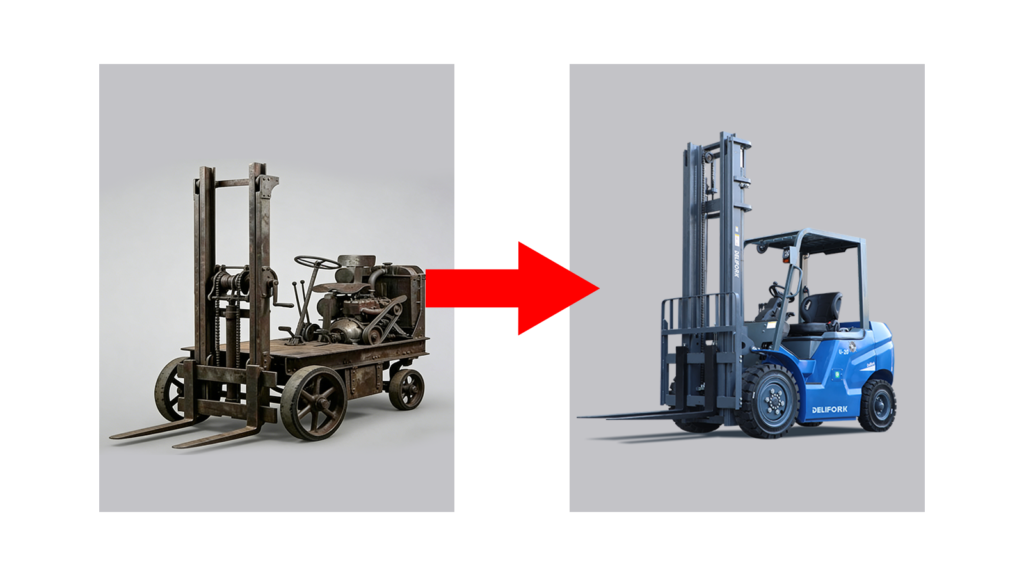
Discover how forklifts evolved into today’s electric solutions. Learn key milestones and why lithium forklifts are the future of material handling.
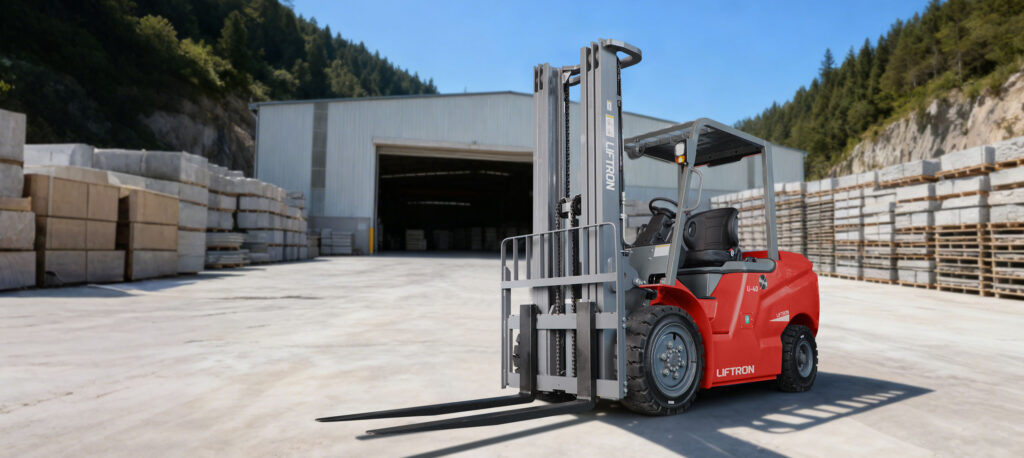
Yes, electric forklifts can be used outdoors, provided they are designed for it or have a sufficient IP rating (IP54 or higher) to protect against dust and moisture.

Yes, electric forklifts can be hauled in a dry van, provided the trailer has a loading dock, proper weight capacity, and the forklift is secured, usually with chains or heavy-duty straps.
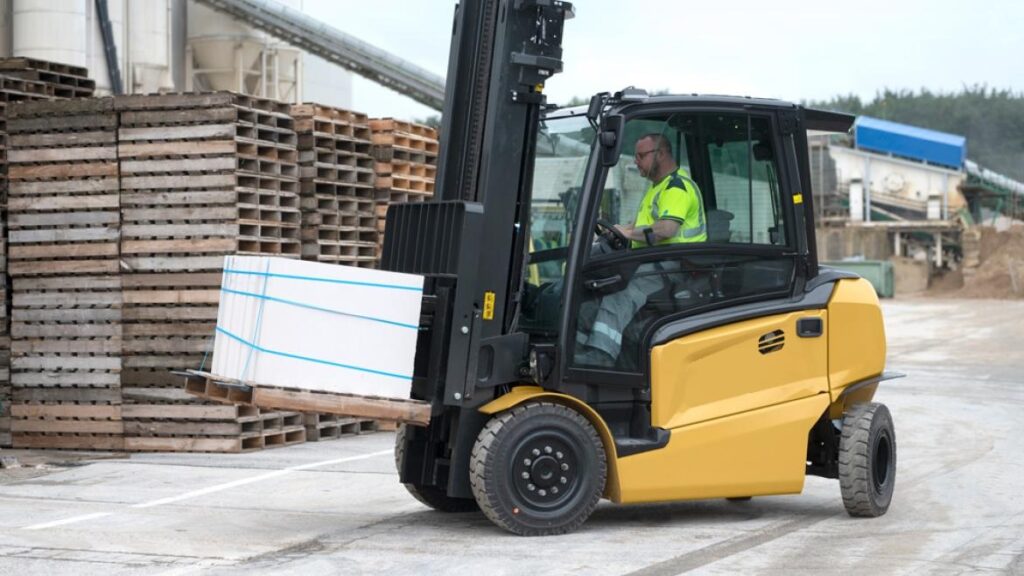
Yes, modern electric forklifts can effectively lift and transport carpet and tile, provided they are equipped with appropriate attachments like carpet poles, vacuum lifters, or forks.

Electric forklifts are generally considered safer for indoor environments due to zero emissions, reduced noise, and better stability.

Propane-powered forklifts offer superior power, faster speeds, and 24/7 operation with quick cylinder changes, making them ideal for heavy-duty, outdoor, or wet environments.

Selecting the right electric sit down forklift involves evaluating load weight, lift height, aisle width, daily operating hours, terrain, and battery performance to match your warehouse or facility needs while ensuring safety, efficiency, and long-term cost savings.
 English English
  French
 Spanish
 Vietnamese
 Thai
Thai
 Italian
 Arabic
 Malay
Malay
 Portuguese
 German
 Russian
 Japanese
 Korean
 Lao
Lao