Are Electric Forklifts Good? 2026 Complete Guide
Electric forklifts are generally an excellent choice, offering lower long-term operating costs, reduced maintenance, and zero emissions, making them ideal for indoor warehouse environments.


Electric forklifts are generally an excellent choice, offering lower long-term operating costs, reduced maintenance, and zero emissions, making them ideal for indoor warehouse environments.
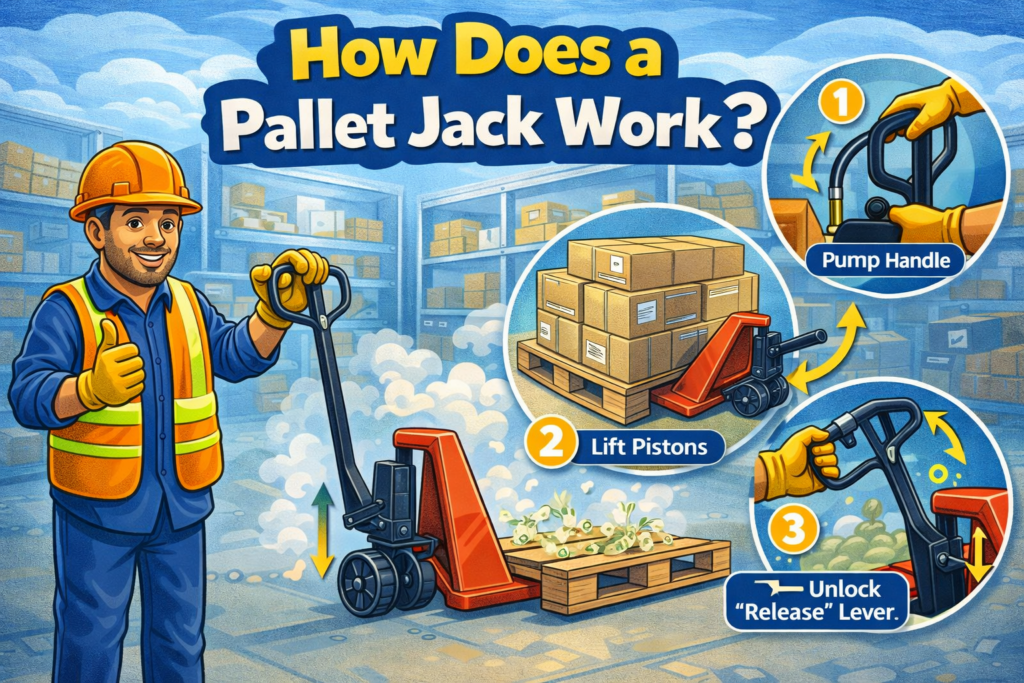
A pallet jack works by using a hand-pumped or electric hydraulic mechanism to lift heavy loads, utilizing a piston and hydraulic oil to raise the forks a few inches off the ground.
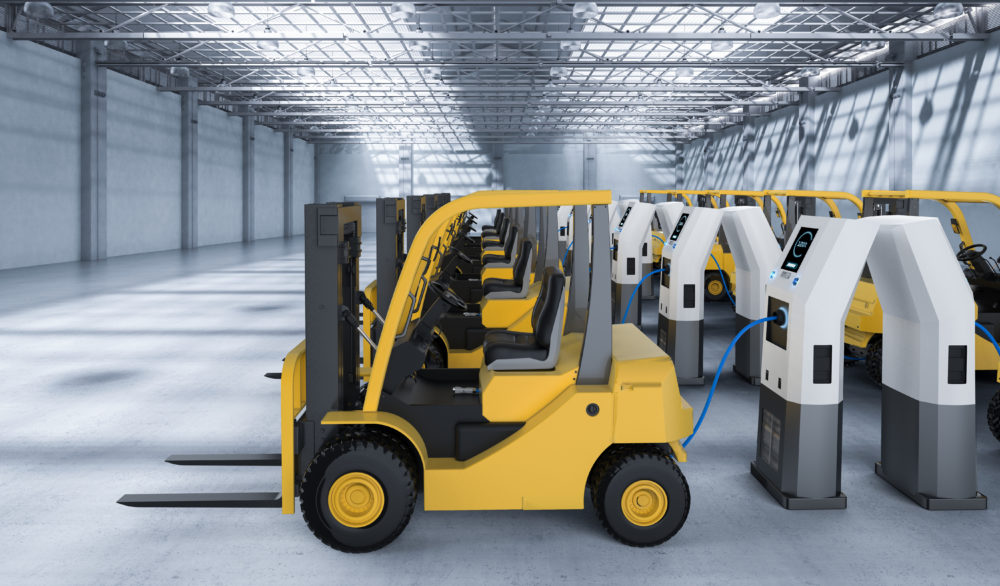
Electric forklift batteries generally last between 3 to 7 years (1,000 to 1,500+ cycles) depending on type and care.
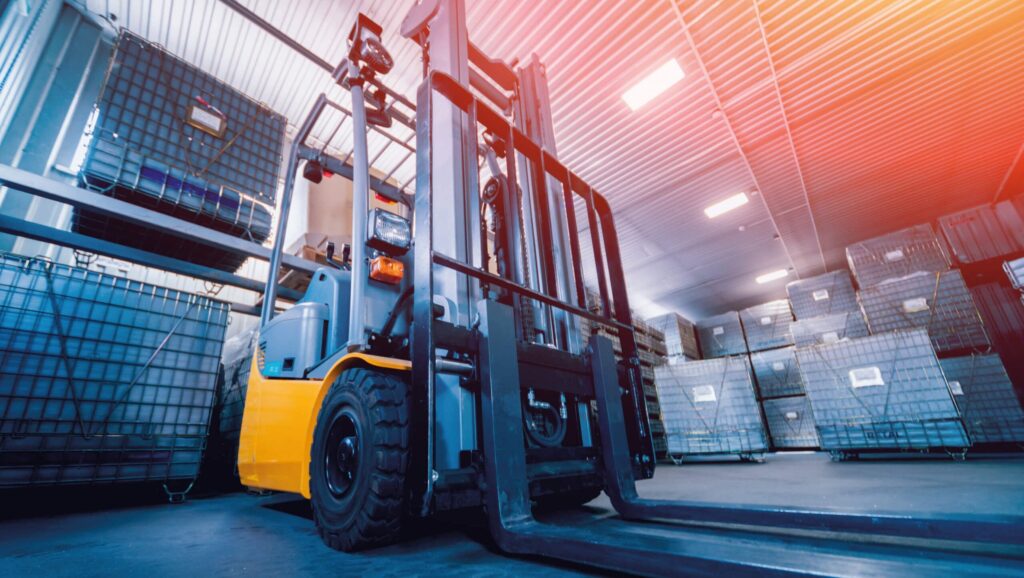
Plugging on an electric forklift is a technique used to slow down or stop by reversing the directional control while the truck is still moving forward, causing the motor to act as a brake.
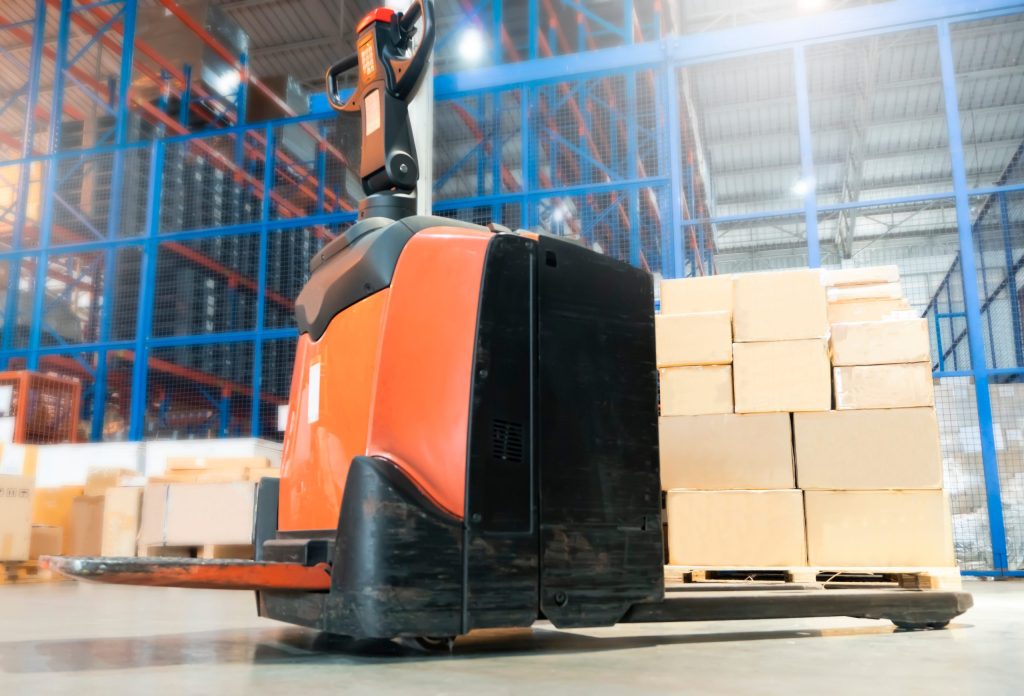
A standard manual pallet jack typically weighs between 150 and 300 lbs (68–136 kg), with common models weighing about 165–200 lbs, designed to lift up to 5,500 lbs.
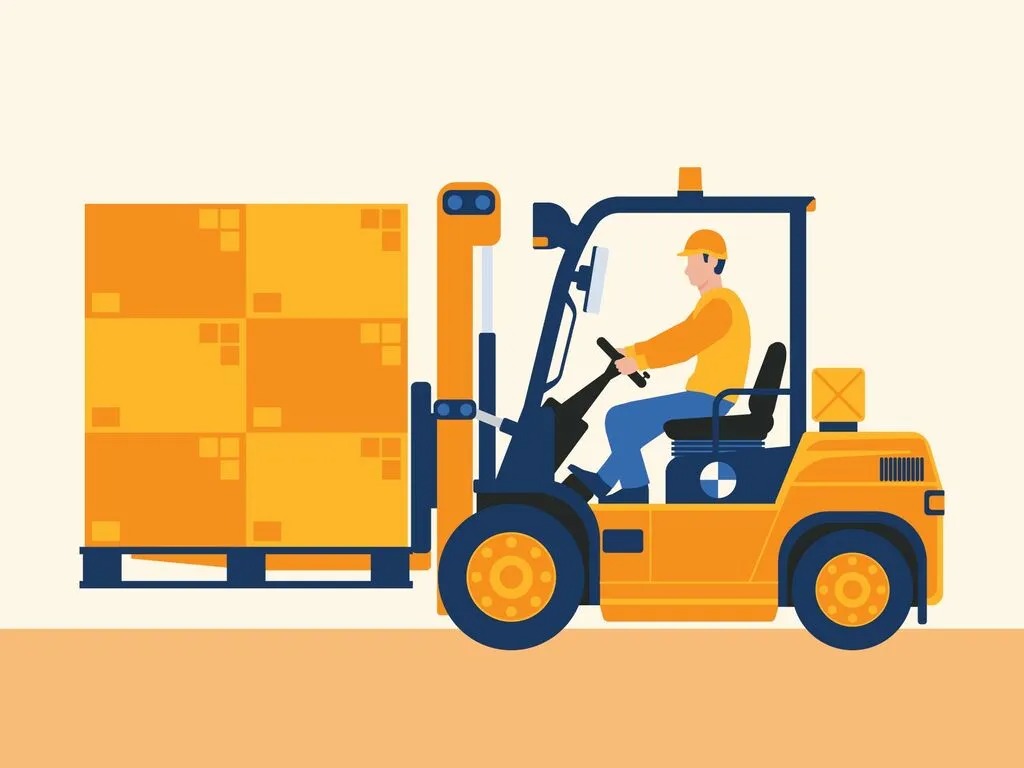
A forklift load center is the horizontal distance from the vertical face of the forks to the load’s center of gravity.
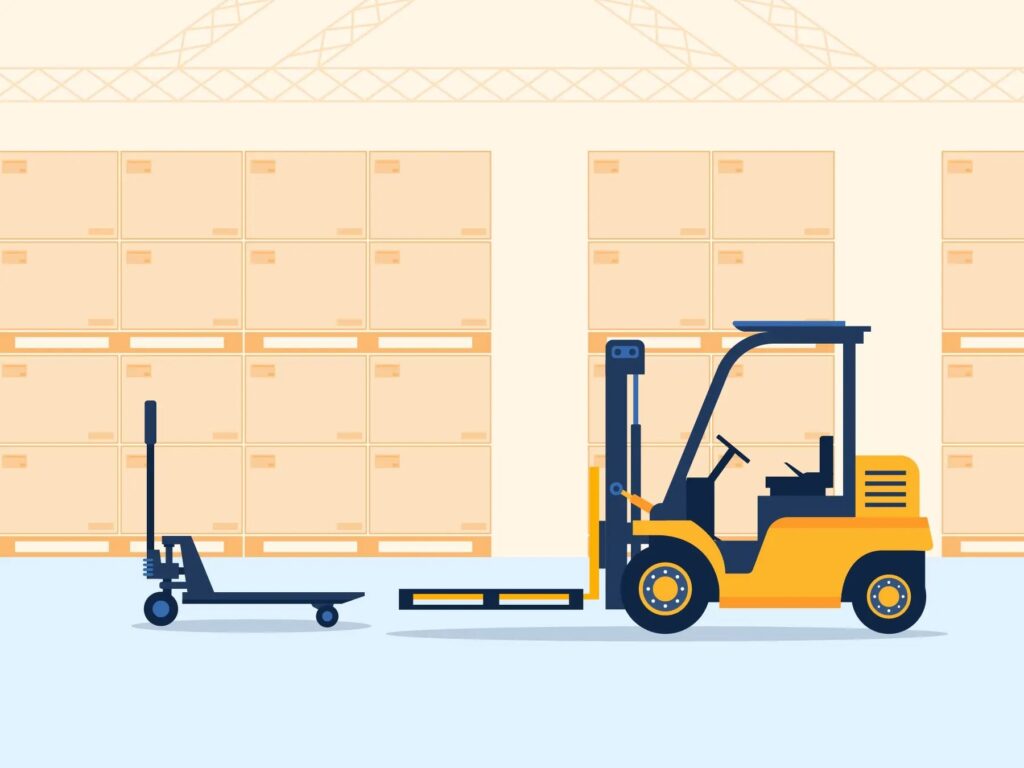
A pallet jack, also known as a pallet truck or pump truck, is a fundamental, manually operated (or electric) tool designed to lift and transport heavy palletized loads over short distances.
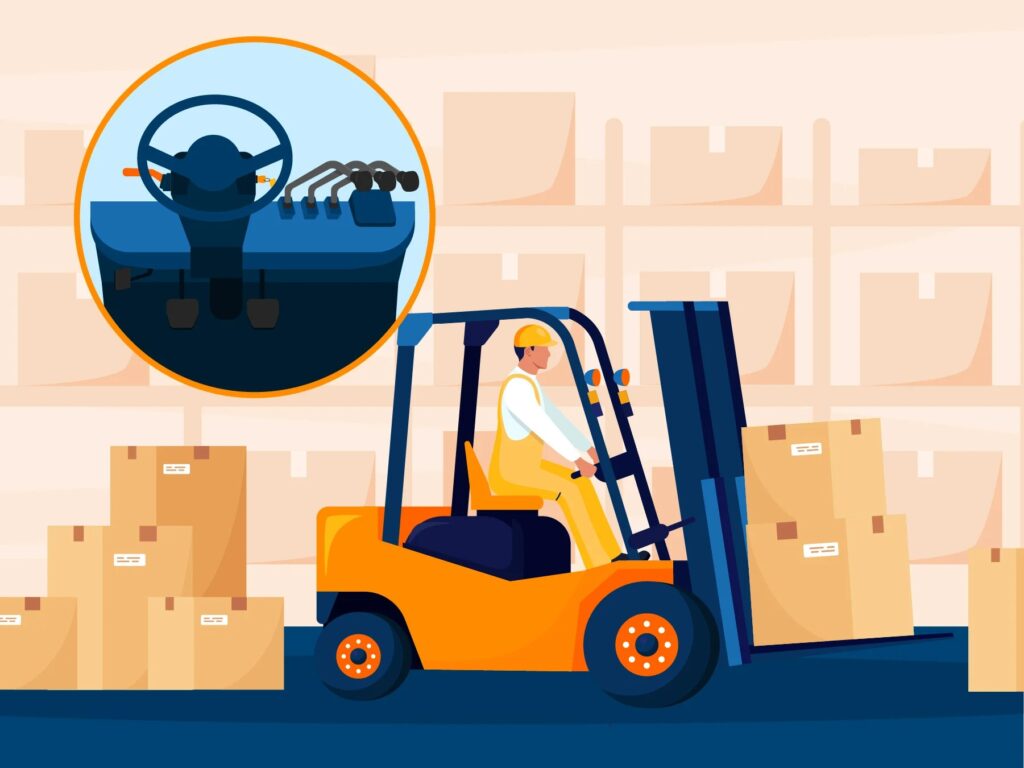
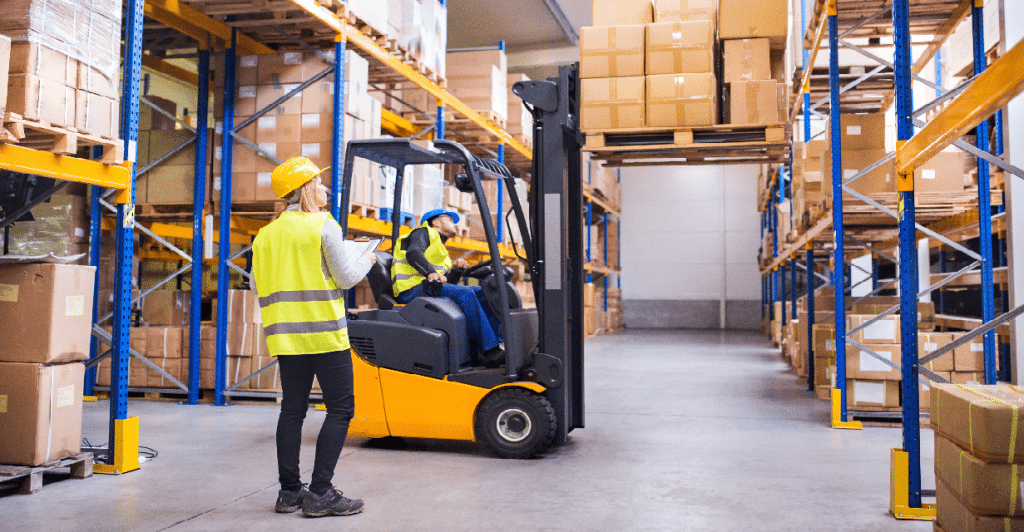
Using a forklift in a warehouse requires strict adherence to safety protocols: conducting pre-operation inspections, wearing seatbelts, driving with forks low (4–6 inches off the ground), and tilting the mast back for stability.
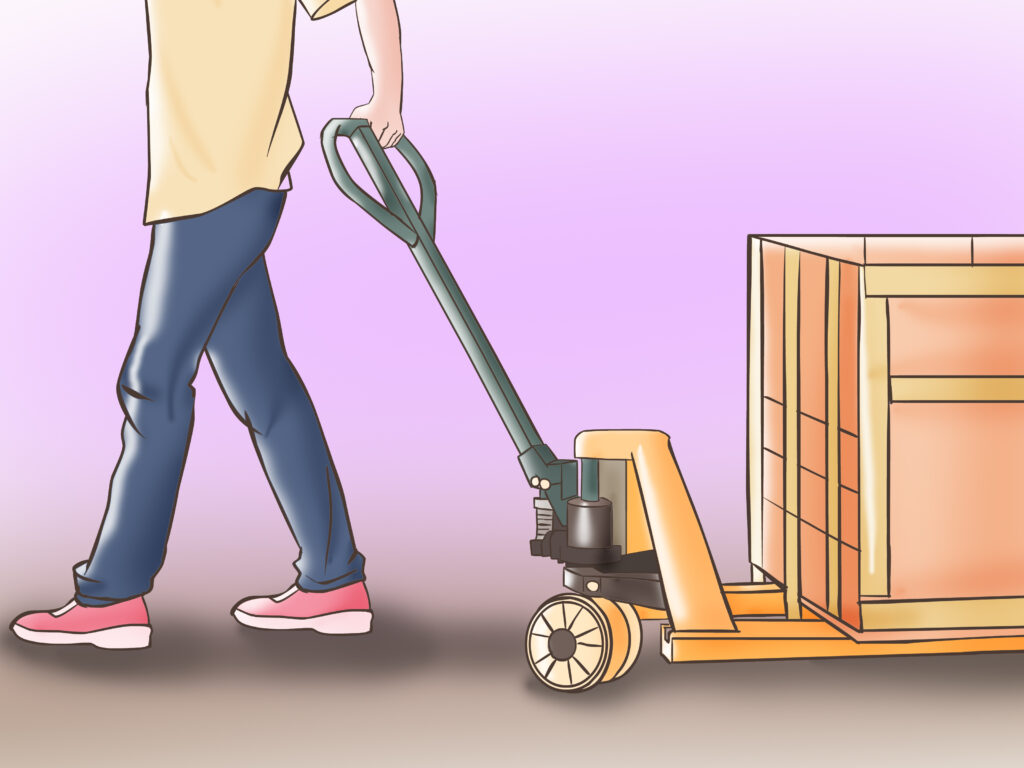
To use a manual pallet jack, insert the forks fully under a pallet, lower the lever to lift, and pump the handle to raise the load.
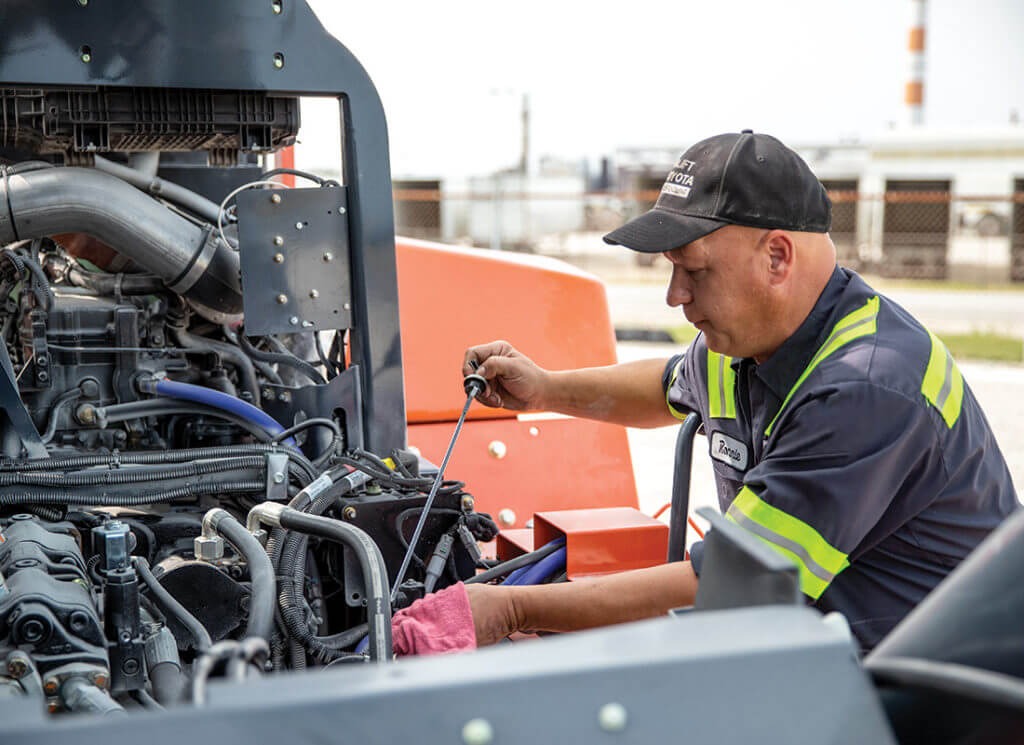
Forklift repairs must be made immediately if a safety defect is identified during required daily inspections, as operating a damaged machine violates OSHA regulations.
 English English
  French
 Spanish
 Vietnamese
 Thai
Thai
 Italian
 Arabic
 Malay
Malay
 Portuguese (Portugal)
 German
 Russian
 Japanese
 Korean
 Lao
Lao
 Indonesian
 Myanmar
 Polish
 Danish
 Finnish
 Norwegian
 Swedish
 Bengali
 Tamil
Tamil
 Nepali
 Turkish
 Irish
Irish
 Kurdish
 Kazakh
 Uzbek
Uzbek
 Turkmen
 Kyrgyz
 Tajik
Tajik
 Portuguese (Brazil)
 Moroccan Arabic
 Sundanese