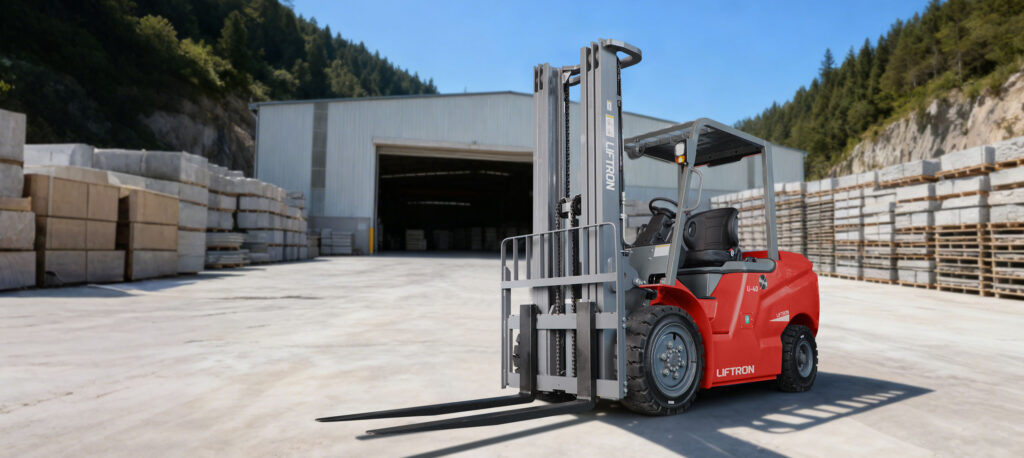
Can Electric Forklifts Be Used Outside?
Yes, electric forklifts can be used outdoors, provided they are designed for it or have a sufficient IP rating (IP54 or higher) to protect against dust and moisture.

Yes, electric forklifts can be used outdoors, provided they are designed for it or have a sufficient IP rating (IP54 or higher) to protect against dust and moisture.

Yes, electric forklifts can be hauled in a dry van, provided the trailer has a loading dock, proper weight capacity, and the forklift is secured, usually with chains or heavy-duty straps.
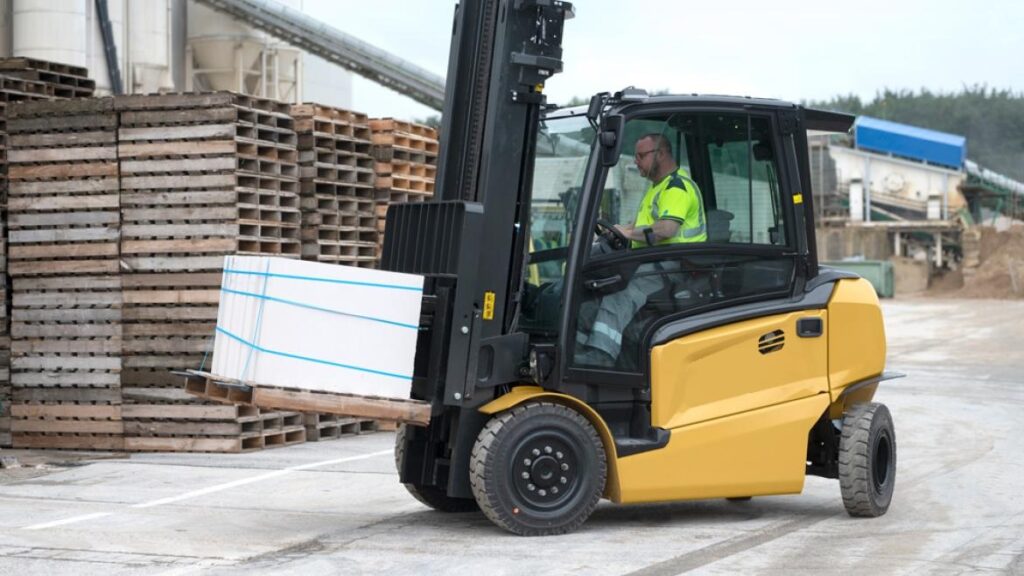
Yes, modern electric forklifts can effectively lift and transport carpet and tile, provided they are equipped with appropriate attachments like carpet poles, vacuum lifters, or forks.

Electric forklifts are generally considered safer for indoor environments due to zero emissions, reduced noise, and better stability.

Propane-powered forklifts offer superior power, faster speeds, and 24/7 operation with quick cylinder changes, making them ideal for heavy-duty, outdoor, or wet environments.

Selecting the right electric sit down forklift involves evaluating load weight, lift height, aisle width, daily operating hours, terrain, and battery performance to match your warehouse or facility needs while ensuring safety, efficiency, and long-term cost savings.
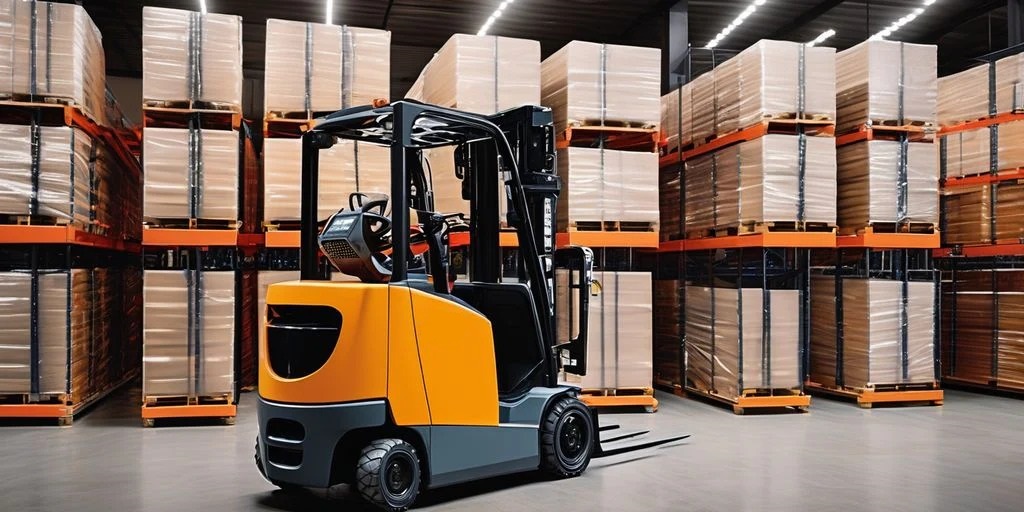
Electric forklifts offer significant advantages, including zero emissions, lower operating and maintenance costs, and reduced noise levels, making them ideal for indoor, eco-friendly warehouse operations.
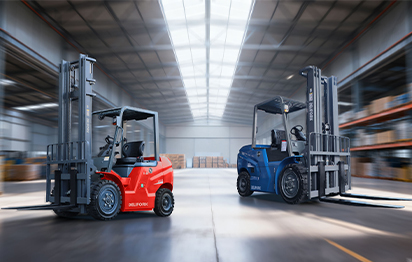
Choosing between electric and diesel forklifts depends on your working environment, load requirements, and long-term operational goals. Today, businesses are increasingly evaluating not just performance, but also efficiency, sustainability, and total lifecycle value.

An electric pallet jack is technically considered a type of forklift, specifically classified by OSHA as a Class III powered industrial truck.
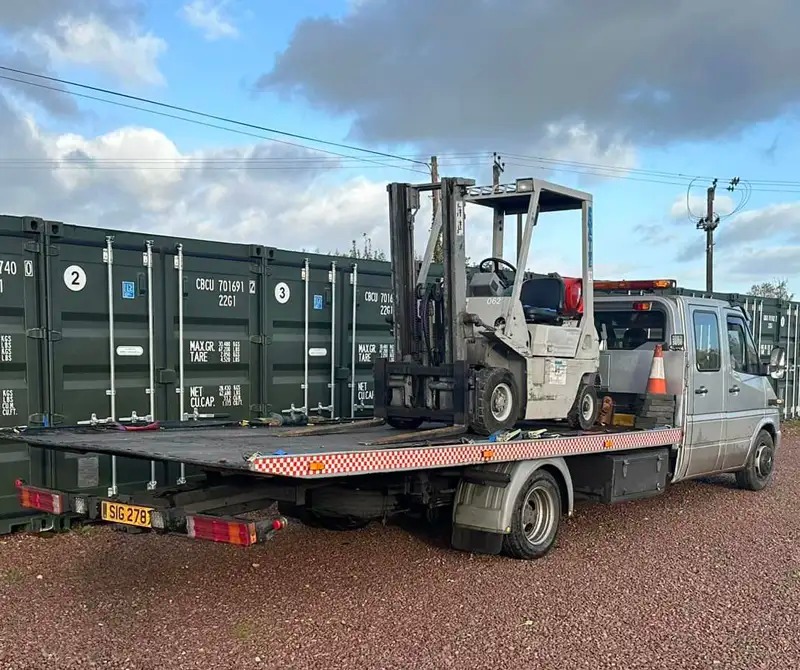
Moving a dead electric forklift is best achieved by towing it with a larger forklift, using a temporary power source (like daisy-chained 12V car batteries) to release the brake, or removing the battery to free up wheels, typically needing to move it at speeds below 2 km/h.
 English English
  French
 Spanish
 Vietnamese
 Thai
Thai
 Italian
 Arabic
 Malay
Malay
 Portuguese (Portugal)
 German
 Russian
 Japanese
 Korean
 Lao
Lao
 Indonesian
 Myanmar
 Polish
 Danish
 Finnish
 Norwegian
 Swedish
 Bengali
 Tamil
Tamil
 Nepali
 Turkish
 Irish
Irish
 Kurdish
 Kazakh
 Uzbek
Uzbek
 Turkmen
 Kyrgyz
 Tajik
Tajik
 Portuguese (Brazil)
 Moroccan Arabic
 Sundanese