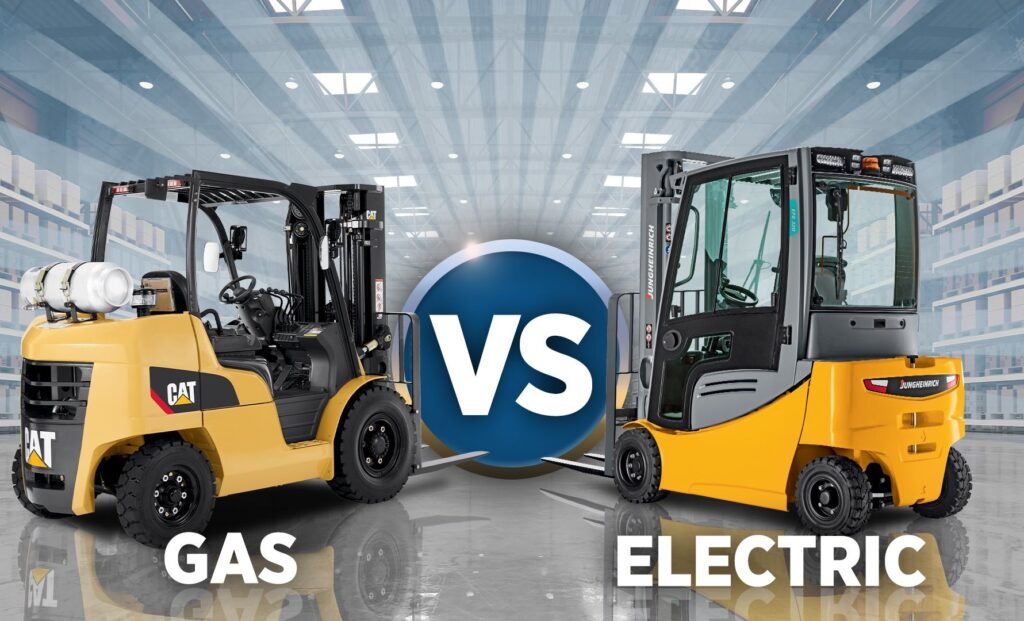
Why Do Forklifts Use Propane?
Forklifts use propane (LPG) primarily because it offers a high-power, clean-burning, and versatile fuel source that allows for 24/7 operation with minimal downtime.


Forklifts use propane (LPG) primarily because it offers a high-power, clean-burning, and versatile fuel source that allows for 24/7 operation with minimal downtime.
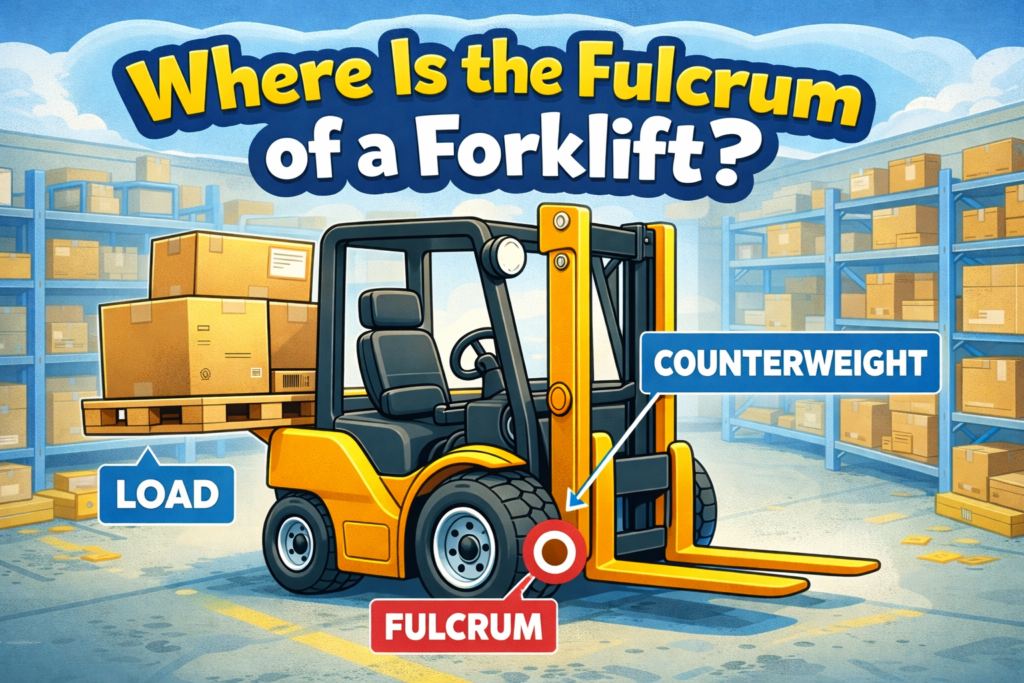
The fulcrum of a forklift is located at the center of the front axle/wheels. It acts as the pivot point (like a seesaw) where the machine’s counterweight balances the load on the forks.

To properly move pallets with a forklift, approach the load slowly and squarely, ensuring forks are level and fully inserted.
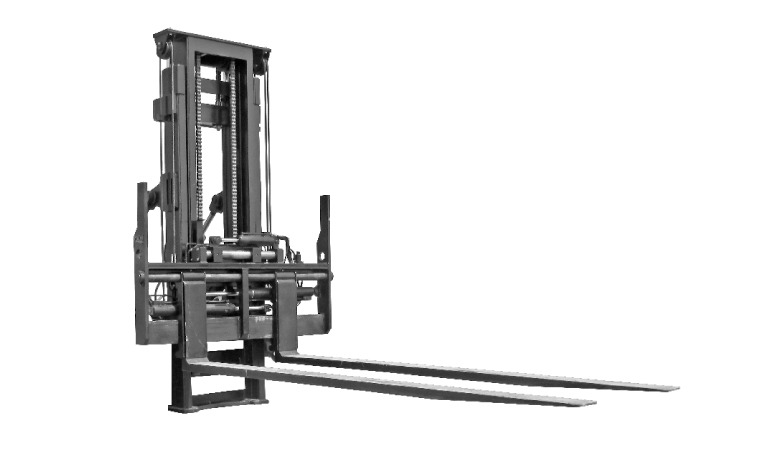
The mast on a forklift is the vertical assembly at the front that lifts, lowers, and tilts loads. Comprised of nested, hydraulically powered steel channels and chains, it controls the carriage and forks to move materials vertically.

A forklift is a powered industrial truck designed to lift, transport, and stack heavy materials or pallets over short distances.

A forklift works by using a hydraulic system and a pulley mechanism to lift heavy loads, while relying on a
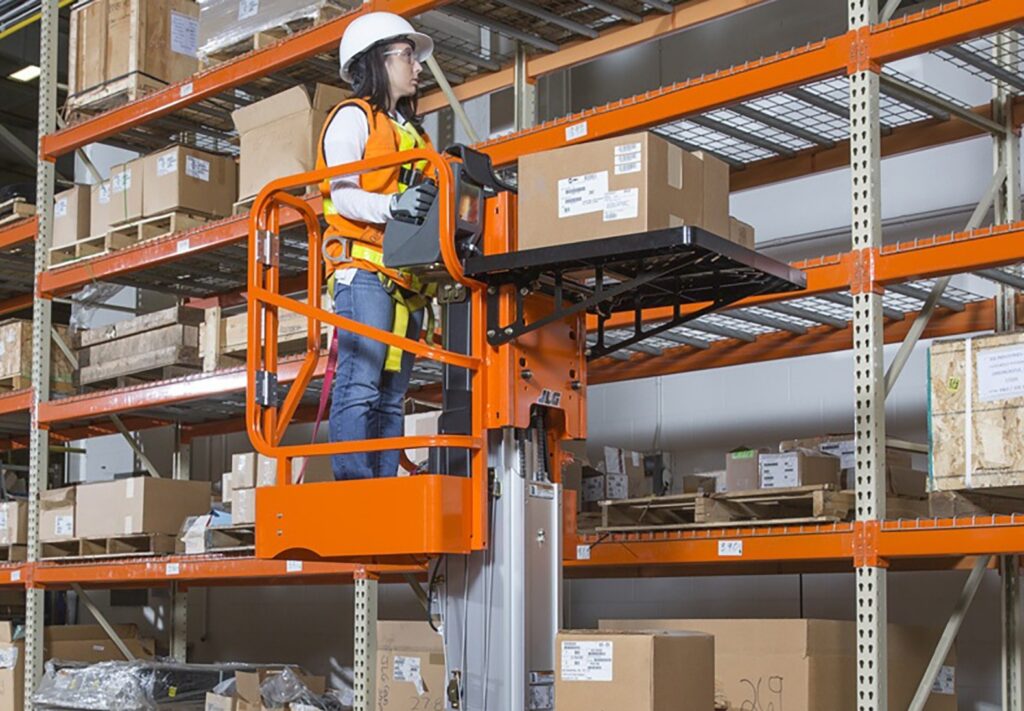
A cherry picker forklift, often called an order picker, is a specialized warehouse vehicle designed to lift an operator on a platform along with a load, allowing them to pick items from high shelves.

The forklift was invented in the early 20th century, with its roots in the late 1910s and early 1920s.
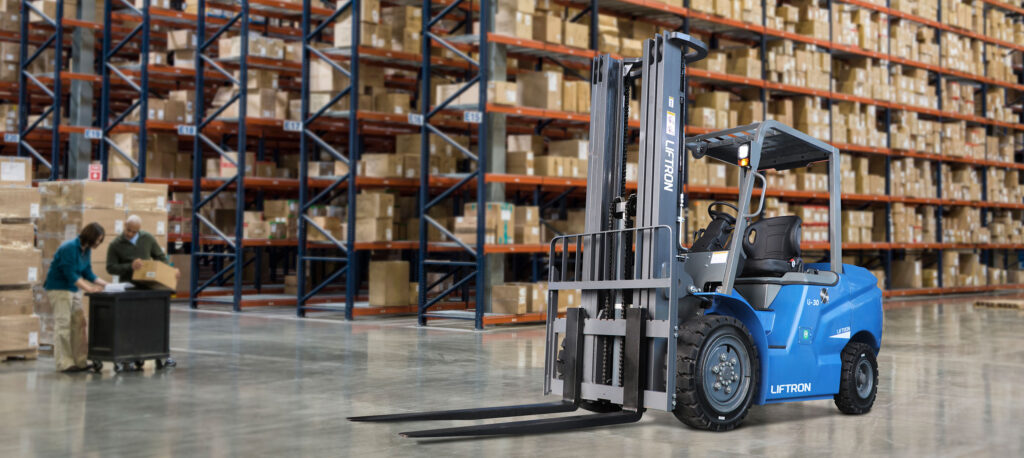
Electric forklifts are generally the best choice for indoor use, offering zero emissions, low noise, and compact designs for tight spaces.
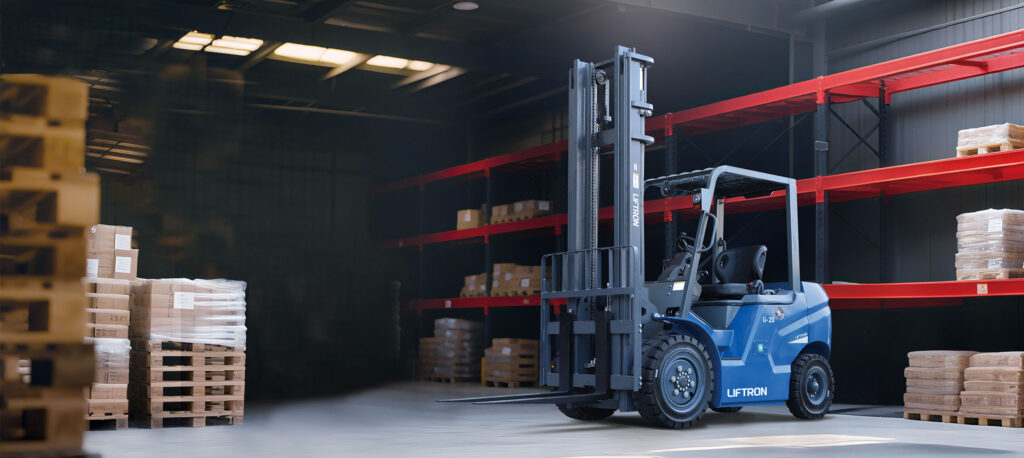
According to OSHA regulations, a forklift is considered unattended if the operator is 25 feet or more away from the
 English English
  French
 Spanish
 Vietnamese
 Thai
Thai
 Italian
 Arabic
 Malay
Malay
 Portuguese (Portugal)
 German
 Russian
 Japanese
 Korean
 Lao
Lao
 Indonesian
 Myanmar
 Polish
 Danish
 Finnish
 Norwegian
 Swedish
 Bengali
 Tamil
Tamil
 Nepali
 Turkish
 Irish
Irish
 Kurdish
 Kazakh
 Uzbek
Uzbek
 Turkmen
 Kyrgyz
 Tajik
Tajik
 Portuguese (Brazil)
 Moroccan Arabic
 Sundanese