
Forklifts use propane (LPG) primarily because it offers a high-power, clean-burning, and versatile fuel source that allows for 24/7 operation with minimal downtime. Propane engines provide consistent power for heavy lifting, work well in both indoor and outdoor conditions, and are generally more cost-effective than electric alternatives, requiring only a quick cylinder swap rather than hours of charging.
Continuous Operation & Quick Refueling
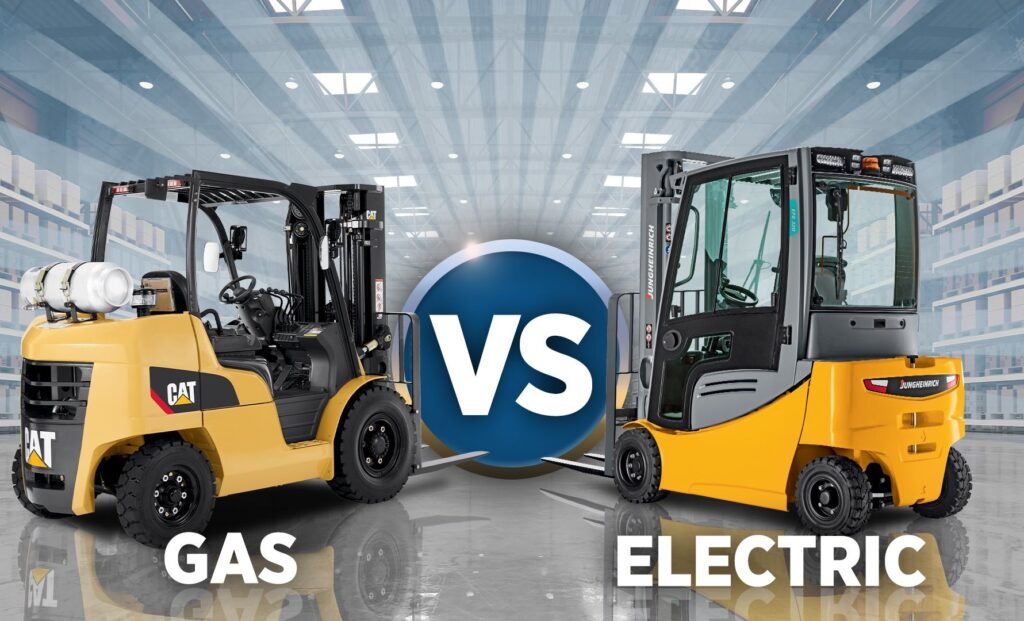
One of the biggest reasons warehouses and distribution centers choose propane forklifts is the ability to run 24 hours a day with almost zero downtime. A standard 20-pound propane cylinder lasts 8–10 hours under heavy use. When the tank runs low, operators simply swap it for a full one in under 2 minutes — no plugging in, no waiting for a charge cycle. This makes propane ideal for multi-shift operations where every minute of downtime costs money. Electric forklifts often require 8–12 hours of charging plus cool-down time, limiting them to single-shift use unless expensive spare battery packs are available.
High Performance & Consistent Power
Propane engines deliver strong, consistent torque across the entire RPM range. This is critical for heavy lifting, climbing ramps, and operating on uneven surfaces. Unlike electric motors that can lose power as the battery drains, propane forklifts maintain full performance right up to the last drop of fuel. The internal combustion engine also provides excellent acceleration and the ability to handle heavy loads without overheating in demanding applications. Many operators report that propane models feel more responsive and powerful than equivalent electric units in real-world warehouse conditions.
Indoor/Outdoor Versatility
Propane forklifts are true all-rounders. Modern three-way catalytic converters and closed-loop fuel systems produce very low emissions, allowing safe indoor use in well-ventilated warehouses. At the same time, they perform perfectly outdoors in any weather. Electric forklifts are excellent indoors but struggle outdoors in rain, snow, or extreme cold. Diesel forklifts are powerful outdoors but are usually prohibited indoors due to high emissions. Propane offers the best of both worlds without the limitations of other fuel types.
Lower Emissions & Easier Maintenance
Propane burns much cleaner than diesel or gasoline. It produces significantly lower levels of carbon monoxide, nitrogen oxides, and particulate matter. With proper ventilation, propane forklifts meet strict indoor air quality standards. Maintenance is also simpler: no oil changes are required as frequently as diesel engines, spark plugs last longer, and there is no diesel particulate filter to clog. Fuel is clean-burning and leaves almost no residue, extending engine life and reducing service costs over time.
Cost-Effectiveness
Propane is often the most economical choice when total cost of ownership is calculated. Although the upfront price of a propane forklift is similar to electric, the lack of expensive battery packs and chargers saves thousands upfront. Fuel cost per hour is competitive, especially in regions where propane is readily available at bulk prices. Quick refueling eliminates the need for multiple battery sets or expensive fast-charging infrastructure. Many businesses find that propane forklifts pay for themselves through higher productivity and lower maintenance within 2–3 years.
Will a Propane Forklift Run on Gasoline?
No. Propane forklifts are factory-built with specific LPG carburetors, regulators, and fuel systems designed exclusively for propane. Gasoline has different combustion characteristics, octane ratings, and requires a completely different fuel delivery system. Attempting to run gasoline in a propane forklift would cause immediate engine damage, poor performance, and safety hazards. Conversion kits exist for some engines, but they are not recommended and usually void warranties.
What Burns Faster, Diesel or Propane?
Propane burns faster and more completely than diesel. It has a higher flame speed and ignites more easily, which gives propane engines quicker throttle response and smoother power delivery. Diesel burns slower and more steadily, which is why diesel engines produce more low-end torque for very heavy loads but feel less responsive. In forklift applications, propane’s faster combustion translates to better acceleration and the ability to maintain speed under load — one reason many operators prefer it for mixed indoor/outdoor work.
Conclusion
Forklifts use propane because it delivers the perfect combination of power, versatility, quick refueling, and cost-effectiveness for today’s demanding material-handling environments. Whether operating indoors, outdoors, or across multiple shifts, propane-powered forklifts provide reliable performance with minimal downtime and lower overall operating costs than electric or diesel alternatives in many applications. As warehouses continue to balance productivity, air quality, and budget, propane remains a smart, proven choice for thousands of businesses worldwide.