
The load backrest extension is the primary forklift component that prevents loads from falling backward toward the operator. It is a steel rack attached to the carriage that stabilizes the load, while the mast’s tilt function and overhead guard provide additional protection against shifting or falling objects.
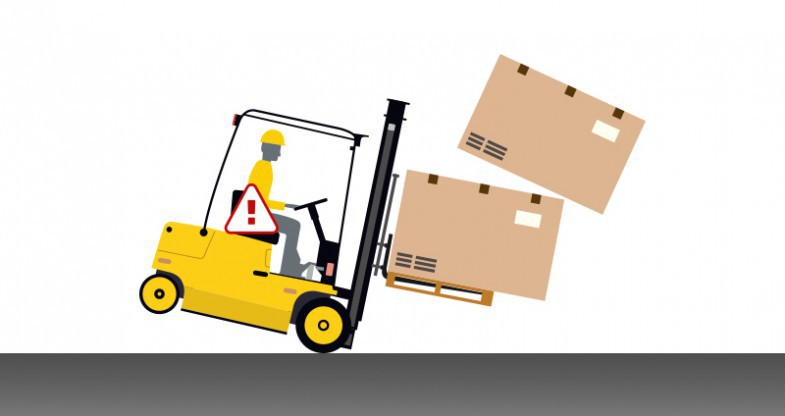
Understanding Load Security on Forklifts
Ensuring load stability is one of the most critical aspects of safe forklift operation. A shifting or falling load can cause serious injuries, property damage, and costly downtime. Modern forklifts incorporate several engineered components designed specifically to keep loads secure during lifting, traveling, and lowering. Understanding these components helps operators maintain safety and maximize efficiency in warehouses, manufacturing plants, and distribution centers.
The Main Component: Load Backrest Extension
The **load backrest extension** (also called load backrest or load guard) is the most important component for preventing loads from falling backward. It is a vertical steel rack or grid attached directly to the fork carriage. Its primary function is to provide a solid barrier that supports the load and stops it from sliding or tipping toward the operator’s cab. Most backrests are designed with a grid pattern that allows good visibility while still offering strong structural support. In high-stack applications, extended backrests are often used to provide extra security for taller loads.
Supporting Components for Load Stability
1. Mast and Tilt Function
The mast assembly works together with the load backrest. The ability to tilt the mast slightly backward (typically 5–10 degrees) helps cradle the load against the backrest. This backward tilt is one of the most effective ways to secure a load during travel. Proper use of the tilt function significantly reduces the risk of the load shifting forward or backward.
2. Fork Carriage
The fork carriage is the moving part of the mast to which the forks and load backrest are mounted. It provides the structural foundation for the entire load-handling system. A well-maintained carriage ensures smooth vertical movement and keeps the forks and backrest properly aligned, which is essential for safe load handling.
3. Overhead Guard (OHG)
While the overhead guard is primarily designed to protect the operator from falling objects, it also contributes to overall load security by encouraging operators to keep loads at safe heights and maintain proper balance. A strong overhead guard is a mandatory safety feature on all forklifts.
Best Practices for Preventing Load Falls
Proper component use is only part of the equation. Operators should always:
- Position the load as low as possible during travel
- Keep the mast tilted slightly backward while moving
- Avoid sudden stops or sharp turns
- Never exceed the forklift’s rated capacity
- Regularly inspect the load backrest, forks, and mast for damage or wear
Importance of Regular Maintenance
Even the best-designed components can fail if not properly maintained. Routine inspections should check for bent or damaged backrests, loose mounting bolts, worn tilt cylinders, and any signs of fatigue in the mast assembly. Timely maintenance not only prevents load falls but also extends the overall service life of the forklift.
Kesimpulan
The load backrest extension is the key forklift component that keeps the load from falling, working together with the mast tilt, fork carriage, and overhead guard to ensure safe material handling. Proper use and regular maintenance of these components are essential for preventing accidents and maintaining high productivity. Liftron forklift reminds everyone that driving a forklift requires constant attention to safety. Always follow proper operating procedures, conduct daily inspections, and prioritize both load security and personal safety to create a secure working environment.
 English
  French
  Spanish
  Vietnamese
  Thai
Thai  Italian
  Arabic
  Malay
Malay  Portuguese
  German
  Russian
  Japanese
  Korean
  Lao
Lao  Indonesian
  Turkish
  Irish
Irish  Uzbek
Uzbek