
Most electric pallet jacks need 15 to 40 amps of DC output, with smaller 24V models often using a 15A to 20A charger.
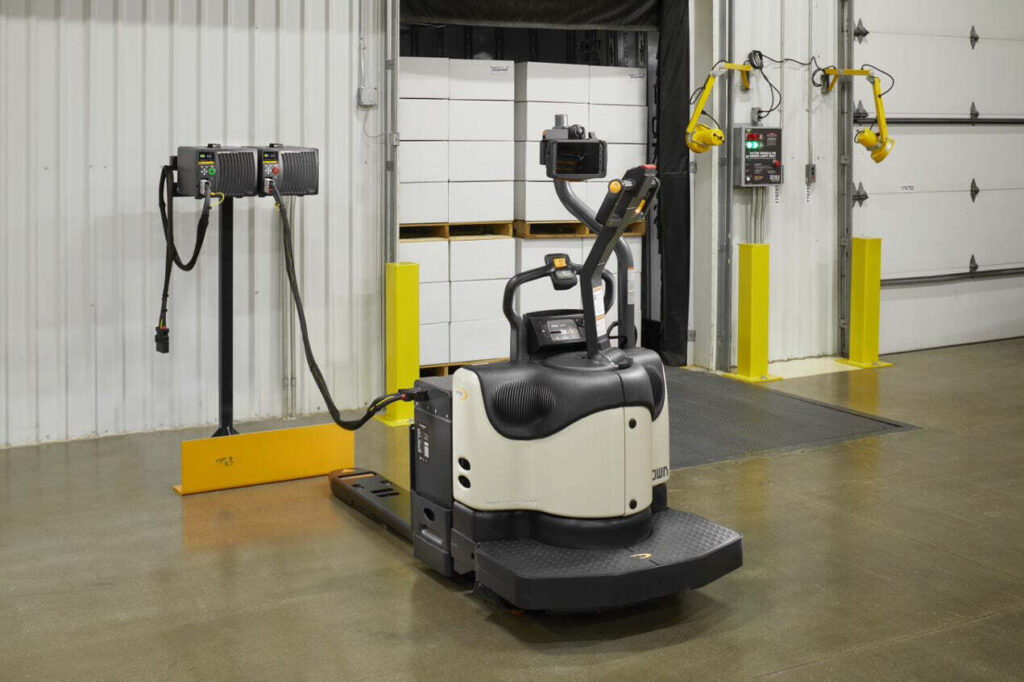
When people ask, “how many amps to charge a pallet jack,” the answer depends on the battery voltage, battery capacity, charger type, and how quickly the pallet jack needs to return to service. Most electric pallet jacks use a 24-volt battery system, and many smaller or standard models are charged with a 15 to 20 amp charger. In many cases, this setup supports a full overnight charge in about 8 to 10 hours.
For larger batteries, heavier-duty use, or faster charging needs, a charger with 30 to 40 amps may be required. However, using a charger with too much current can shorten battery life or create heat-related problems if the charger is not matched to the battery. The safest approach is always to follow the pallet jack and battery manufacturer’s charging recommendations.
liftron reminds operators and warehouse managers that correct charging is not only about speed. It is also about battery health, equipment reliability, workplace safety, and long-term operating cost. A properly charged pallet jack performs better, lasts longer, and helps reduce unexpected downtime during daily material handling work.
Typical Amps Needed to Charge an Electric Pallet Jack
| Charging Setup | Typical Amp Range | Common Use |
|---|---|---|
| Small Electric Pallet Jack Charger | 15A–20A DC output | Common for smaller 24V pallet jacks and overnight charging. |
| Standard 24V Charger | 20A–30A DC output | Used for regular warehouse operation and moderate charging needs. |
| Higher-Capacity Charger | 30A–40A DC output | Used for larger batteries or faster return-to-service requirements. |
| Conventional Overnight Charging | About 16A–18A per 100Ah | Lower-current charging designed to protect battery life. |
| Opportunity Charging | About 20A–30A per 100Ah | Higher-current charging during breaks or shift changes. |
| Portable Smart Charger | Often 24V 20A | Compact chargers that may plug into a standard 120V outlet. |
Understanding Pallet Jack Battery Voltage
Most electric pallet jacks use a 24-volt battery system. This is one reason 24V chargers are common in warehouses, retail stockrooms, delivery areas, and light industrial environments. The charger must match the battery voltage. A 24V battery should use a 24V charger, not a charger designed for a different voltage system.
Voltage and amps are different. Voltage describes the electrical pressure of the system, while amps describe the charging current. A charger may be labeled as 24V 20A, meaning it is designed for a 24-volt battery and can deliver up to 20 amps of charging current. This type of charger is common for smaller electric pallet jacks.
Using the wrong voltage charger can damage the battery, charger, or pallet jack electrical system. Operators should always check the battery label, charger label, and equipment manual before connecting a charger.
Battery Capacity and Charging Rate
Battery capacity is usually measured in amp-hours, often written as Ah. A higher Ah rating means the battery can store more energy. The ideal charging rate is often based on a percentage of the battery’s Ah rating. For good battery life, many charging systems use a charging rate of about 10% to 20% of the battery’s amp-hour capacity.
For example, if a pallet jack has a 100Ah battery, a 10% to 20% charging rate would mean about 10 to 20 amps. A 24V 20A charger may be a good match for many smaller electric pallet jacks. If the battery is much larger, a higher-output charger may be suitable, but only if approved by the manufacturer.
This balance matters because charging too slowly may not fully prepare the pallet jack for the next shift, while charging too quickly may create heat and reduce battery life. The right charger supports both productivity and long-term battery performance.
Conventional Charging vs. Opportunity Charging
Conventional charging usually means charging the pallet jack after use, often overnight. This method uses lower current and gives the battery enough time to recharge fully. For many operations, a 15A to 20A charger is enough for overnight charging, especially for smaller 24V pallet jacks.
Conventional charging is simple and battery-friendly. It works well for businesses that use pallet jacks during the day and charge them after the shift ends. A full charge may take around 8 to 10 hours, depending on battery size, battery condition, charger output, and how deeply the battery was discharged.
Opportunity charging is different. It involves charging the pallet jack during breaks, lunch periods, shift changes, or short pauses in operation. This method often uses a higher current, such as 20 to 30 amps per 100Ah, to add useful charge in less time. Opportunity charging can help busy warehouses keep equipment available, but it must be done with the correct charger and battery type.
Portable Chargers for Electric Pallet Jacks
Many smaller electric pallet jacks use compact, smart, or portable chargers. A common example is a 24V 20A charger. These chargers are convenient because some can plug into standard 120V outlets, depending on the charger design and local electrical setup.
Smart chargers are useful because they can control charging stages automatically. They may reduce current as the battery approaches full charge, help prevent overcharging, and improve charging efficiency. This is especially helpful for operators who may not have a dedicated battery charging room.
Even with portable chargers, safety is important. The charger should be placed in a dry, ventilated area, away from damage, moisture, and heavy traffic. Cords should be inspected regularly, and operators should avoid using damaged plugs, cracked housings, or loose connectors.
How to Charge an Electric Pallet Jack
To charge an electric pallet jack, first park the equipment in a safe, level, and approved charging area. Lower the forks completely, turn off the pallet jack, and set the controls to a safe position. Make sure the area is dry, clear, and well ventilated.
Next, inspect the charger and battery connection. Check for damaged cables, loose plugs, corrosion, heat marks, or unusual smells. Do not use the charger if any component appears unsafe. Confirm that the charger voltage matches the pallet jack battery voltage, usually 24V for many electric pallet jacks.
After inspection, connect the charger to the pallet jack battery according to the manufacturer’s instructions. Some pallet jacks have built-in chargers, while others require an external charger connection. Once connected, plug the charger into the proper power source and confirm that the charging indicator shows normal operation.
Allow the battery to charge fully when possible. Avoid disconnecting the charger repeatedly unless opportunity charging is part of the approved battery management plan. When charging is complete, unplug the charger from the wall first if instructed, disconnect the battery connector, store the cable safely, and inspect the pallet jack before returning it to use.
Charging Safety Tips
Operators should never guess when charging a pallet jack. The charger must match the battery voltage and be suitable for the battery capacity and chemistry. Using an incorrect charger may cause overheating, short battery life, poor charging performance, or equipment damage.
Do not charge a pallet jack near open flames, wet floors, blocked walkways, or unstable storage areas. Keep the charger cable out of forklift lanes and pallet traffic. If the battery becomes hot, swollen, leaks fluid, gives off an unusual odor, or fails to charge normally, stop using the equipment and report the issue immediately.
Good charging habits help extend battery life. Avoid deep discharging whenever possible, charge on a consistent schedule, keep connectors clean, and follow the recommended service intervals. A well-maintained battery can reduce downtime and improve daily productivity.
Common Charging Mistakes to Avoid
One common mistake is using a charger only because the plug fits. A matching connector does not always mean the charger is correct. Operators must confirm voltage, current output, and compatibility. Another mistake is using a charger with too many amps in an attempt to charge faster. Faster charging is not always better if the battery is not designed for it.
Another problem is stopping the charge too early every day. Partial charging may be acceptable for certain battery types and approved opportunity charging systems, but poor charging habits can reduce battery performance over time. Operators should follow the correct charging method for the specific pallet jack and battery.
It is also important not to ignore slow charging. If a pallet jack suddenly takes much longer to charge, loses power quickly, or fails to reach full charge, the battery, charger, or connector may need inspection.
Liftron Reminder for Safe Pallet Jack Use
liftron reminds everyone that safe equipment use includes both proper operation and proper charging. Drivers and warehouse teams should pay attention to battery condition, charger compatibility, workplace charging rules, and daily inspection procedures.
A pallet jack that is charged correctly is more reliable during work. It can lift, move, and position pallets more consistently, helping employees complete tasks safely and efficiently. Charging may seem simple, but it plays a major role in protecting the battery, equipment, and workplace.
Xulosa
Most electric pallet jacks require about 15 to 40 amps of DC output to charge, with 24-volt systems being the standard for many models. Smaller electric pallet jacks commonly use a 15A to 20A charger and may take about 8 to 10 hours for a full charge. Larger batteries or faster charging needs may require 30A to 40A, but only when approved for the battery and equipment.
The best charging choice depends on battery capacity, battery type, duty cycle, and manufacturer requirements. To protect battery life and workplace safety, always use the correct charger, follow the recommended charging process, and inspect the pallet jack before returning it to service.
 English
  French
  Spanish
  Vietnamese
  Thai
Thai  Italian
  Arabic
  Malay
Malay  Portuguese
  German
  Russian
  Japanese
  Korean
  Lao
Lao  Indonesian
  Turkish
  Irish
Irish  Uzbek
Uzbek