
A leaking manual pallet jack seal can reduce lifting power, cause oil loss, and make daily pallet handling unsafe or inefficient.
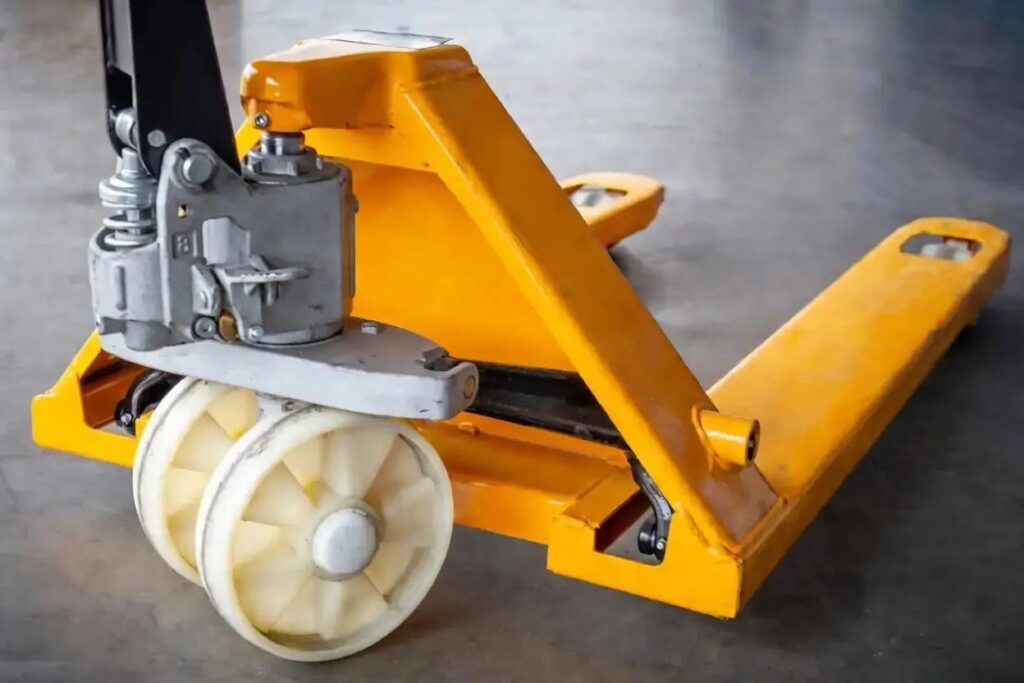
A manual xe nâng pallet is one of the most useful tools in warehouses, retail stockrooms, delivery areas, workshops, and distribution centers. It is simple, durable, and easy to operate, but like any hydraulic equipment, it can develop problems over time. One of the most common issues is a leaking hydraulic seal. When the seal wears out, cracks, hardens, or becomes damaged, the pallet jack may lose hydraulic oil, fail to lift properly, drift downward, or feel weak during operation.
Fixing a seal on a manual pallet jack usually involves removing the hydraulic pump unit, draining the old oil, replacing worn U-cup seals and O-rings with a proper repair kit, refilling the hydraulic fluid, and bleeding air from the system. This is a detailed repair, but it can restore lifting performance when done correctly. The key is to work carefully, keep parts clean, use the correct seal kit, and follow the pallet jack manufacturer’s instructions.
This guide explains the general steps for replacing pallet jack seals, what to inspect during the repair, how to refill and bleed the hydraulic system, and what common pallet jack problems may indicate seal failure or other maintenance needs.
Signs That a Manual Pallet Jack Seal Needs Repair
A leaking seal is often easy to notice, but sometimes the symptoms appear gradually. The most obvious sign is hydraulic oil around the pump, piston, or floor under the pallet jack. Oil leakage usually means one or more seals are no longer holding pressure.
Another common sign is poor lifting performance. If the handle pumps but the forks rise slowly, fail to lift fully, or sink after lifting a load, the hydraulic system may be losing pressure. This can happen because of worn seals, damaged O-rings, low oil level, air in the system, or internal pump wear.
A pallet jack that lowers too quickly, refuses to stay raised, or feels spongy during pumping should be inspected before further use. Operating a pallet jack with a leaking hydraulic system can create safety risks, product damage, and more expensive repairs.
Steps to Replace Pallet Jack Seals
| Repair Step | What to Do |
|---|---|
| Prepare the Jack | Park the pallet jack on a clean, level surface, lower the forks fully, remove any load, and clean the pump area. |
| Remove Hydraulic Unit | Detach the hydraulic pump unit according to the model’s service procedure so the seals can be accessed safely. |
| Drain Oil | Drain old hydraulic fluid into an approved container and inspect it for dirt, water, or metal particles. |
| Remove Old Seals | Use a seal hook or suitable pick tool to remove worn U-cup seals and O-rings without scratching the piston or bore. |
| Clean and Inspect | Clean all parts and inspect the piston, cylinder, valve parts, and seal grooves for wear, scoring, corrosion, or damage. |
| Install New Seals | Lightly oil the new seals before installation. Install U-cup seals in the correct direction, commonly with the wide side down. |
| Reassemble and Refill | Reinstall the hydraulic unit, refill with the correct hydraulic fluid, and avoid overfilling. |
| Bleed the System | Purge trapped air by cycling the handle and lowering function until lifting becomes smooth and consistent. |
1. Prepare the Jack
Before repairing the seal, place the manual pallet jack on a flat and stable surface. Make sure the forks are fully lowered and there is no pallet or load on the jack. This reduces pressure in the hydraulic system and makes the repair safer.
Clean the area around the hydraulic pump before disassembly. Dirt is one of the biggest enemies of hydraulic systems. If debris enters the pump during seal replacement, it can damage new seals or cause poor performance after reassembly.
Wear gloves and eye protection. Hydraulic fluid can be messy, and small parts may move unexpectedly during disassembly. Keep a clean tray nearby for bolts, pins, washers, and small components.
2. Remove the Hydraulic Unit
The hydraulic pump unit is the heart of the manual pallet jack. It contains the piston, seals, valves, and oil reservoir that allow the forks to lift. To replace internal seals, the hydraulic unit usually needs to be removed or opened.
Exact removal steps vary by pallet jack model. Some units are held in place with pins, retaining clips, bolts, or linkage parts. Take photos before removing parts so you can remember how everything fits together. If available, use the owner’s manual or repair diagram.
Do not force parts apart. If a pin or fitting is stuck, check for retaining clips or hidden fasteners before applying pressure. Forcing components can bend linkages or damage the pump housing.
3. Drain the Hydraulic Oil
After the hydraulic unit is accessible, drain the oil into a suitable container. Old hydraulic oil may be dark, dirty, or contaminated. If the oil looks milky, water may have entered the system. If it contains metal particles, internal wear may be present.
Properly dispose of used hydraulic oil according to local rules. Do not pour it onto the ground, into drains, or into regular trash. Clean oil handling is part of responsible equipment maintenance.
4. Remove the Old Seals
Once the oil is drained, remove the piston or related hydraulic components to access the seals. A seal hook or suitable pick tool can help remove old U-cup seals and O-rings. Work slowly to avoid scratching the piston, cylinder bore, or seal grooves.
Scratches on sealing surfaces can cause leaks even after new seals are installed. If the piston is badly scored, rusted, or pitted, replacing only the seals may not solve the problem. Inspect each part carefully before continuing.
As you remove the seals, compare them with the replacement parts in the repair kit. Make sure the size, shape, and profile match. Installing the wrong seal can cause immediate leakage or poor lifting performance.
5. Clean and Inspect All Components
Clean the piston, cylinder, pump body, seal grooves, and related parts with a lint-free cloth. Remove old oil, dirt, broken seal material, and debris. Avoid using harsh tools that can scratch metal surfaces.
Inspect the hydraulic unit for cracks, corrosion, damaged threads, worn valve parts, and rough surfaces. If the cylinder bore is damaged, the new seal may fail quickly. If valves are dirty or worn, the pallet jack may still drift down even after seal replacement.
This inspection step is important because seal failure is sometimes a symptom rather than the only problem. A worn pump, damaged piston, or contaminated hydraulic system can also cause poor operation.
6. Install New Seals
Before installing new seals, lightly coat them with clean hydraulic oil. This helps them slide into place and reduces the chance of damage during assembly. U-cup seals must be installed in the correct direction. In many manual pallet jack repairs, the wide side of the U-cup seal faces down, but users should confirm the correct orientation for their specific model.
Do not twist, fold, stretch, or pinch the new seals. If a seal is damaged during installation, it may leak immediately. Press seals evenly into their grooves and confirm they sit properly before reassembling the hydraulic unit.
Replace all related O-rings included in the repair kit. It is usually better to replace the full seal set while the unit is open rather than replacing only one visible damaged seal.
7. Reassemble and Refill
After the new seals are installed, reassemble the hydraulic unit carefully. Reinstall pins, bolts, linkages, and retaining clips in their correct locations. Make sure moving parts operate freely and that nothing is misaligned.
Refill the hydraulic reservoir with the correct hydraulic oil recommended for the pallet jack. Do not use engine oil or random fluid. The wrong oil can damage seals, reduce lifting performance, or shorten pump life.
Avoid overfilling. Too much hydraulic oil can cause leakage, pressure issues, or poor operation. Fill to the recommended level and wipe away spilled oil before testing.
8. Bleed the System
After reassembly, air may be trapped inside the hydraulic system. Air can make the handle feel spongy and prevent the forks from lifting smoothly. To bleed the system, cycle the handle several times and operate the lowering control according to the jack’s normal procedure.
In many cases, repeated pumping and lowering will purge trapped air from the system. The forks should begin to lift smoothly and hold their height. If the pallet jack still feels weak, check the oil level again and inspect for leaks around the repaired seal area.
Testing After Seal Replacement
Before returning the pallet jack to normal use, test it without a load. Pump the handle and confirm that the forks lift smoothly, hold position, and lower in a controlled way. Then test the jack with a light load before using it for regular work.
Watch for fresh oil leaks around the pump, piston, and reservoir. If oil appears immediately, the seal may be installed incorrectly, the wrong seal may have been used, or another component may be damaged.
Những vấn đề thường gặp với xe nâng pallet là gì?
| Common Problem | Possible Cause |
|---|---|
| Forks Will Not Lift | Low hydraulic oil, air in the system, worn seals, faulty valve, or damaged pump. |
| Forks Drift Down | Leaking internal seal, worn release valve, contaminated hydraulic oil, or damaged cylinder. |
| Hydraulic Oil Leak | Damaged U-cup seal, worn O-ring, cracked pump housing, loose plug, or overfilled reservoir. |
| Handle Feels Spongy | Air trapped in the hydraulic system or low fluid level. |
| Jack Lowers Too Fast | Release valve issue, incorrect adjustment, contaminated oil, or damaged hydraulic parts. |
| Hard to Steer | Worn steering wheels, damaged bearings, debris around wheels, or bent frame components. |
| Uneven Rolling | Damaged load wheels, flat spots, worn bearings, bent axle, or floor debris. |
| Noisy Operation | Dry moving parts, worn wheels, low oil, damaged bearings, or loose hardware. |
Maintenance Tips to Prevent Seal Failure
Regular maintenance can help prevent pallet jack seal problems. Keep the jack clean, especially around the pump and wheels. Dirt, dust, and debris can damage hydraulic parts over time. Inspect for oil leaks regularly and repair small issues before they become larger problems.
Do not overload the pallet jack. Lifting more than the rated capacity places extra stress on the hydraulic system and can shorten seal life. Operators should also avoid dropping loads suddenly or using the jack on damaged floors when possible.
Use only the correct hydraulic fluid and replacement parts. Cheap or incorrect seals may not fit properly and can fail quickly. A quality repair kit matched to the pallet jack model is the best choice for reliable repair.
When to Replace Instead of Repair
Seal replacement is often worthwhile when the pallet jack frame, wheels, forks, and pump body are still in good condition. However, repair may not be the best choice if the jack has severe frame damage, heavily worn wheels, a cracked hydraulic unit, bent forks, or repeated hydraulic failures.
If repair costs approach the price of a replacement unit, it may be more practical to replace the pallet jack. For operations that rely on material handling equipment every day, downtime and safety should be considered along with parts cost.
Kết luận
Fixing a seal on a manual pallet jack usually requires draining the hydraulic oil, removing the hydraulic pump unit, taking out the piston, replacing worn U-cup seals and O-rings, reinstalling the parts, refilling the correct hydraulic fluid, and bleeding air from the system. The new seals should be lightly oiled before installation, and U-cup seals must be installed in the correct direction.
After repair, always test the pallet jack without a load first, then with a light load. If the forks lift smoothly, hold position, and lower properly without leaking, the repair has likely been successful. With careful maintenance, correct fluid, proper loading habits, and timely seal replacement, a manual pallet jack can remain a reliable tool for daily material handling work.
 English
  French
  Spanish
  Vietnamese
  Thai
Thai  Italian
  Arabic
  Malay
Malay  Portuguese
  German
  Russian
  Japanese
  Korean
  Lao
Lao  Indonesian
  Turkish
  Irish
Irish  Uzbek
Uzbek